 Pin It
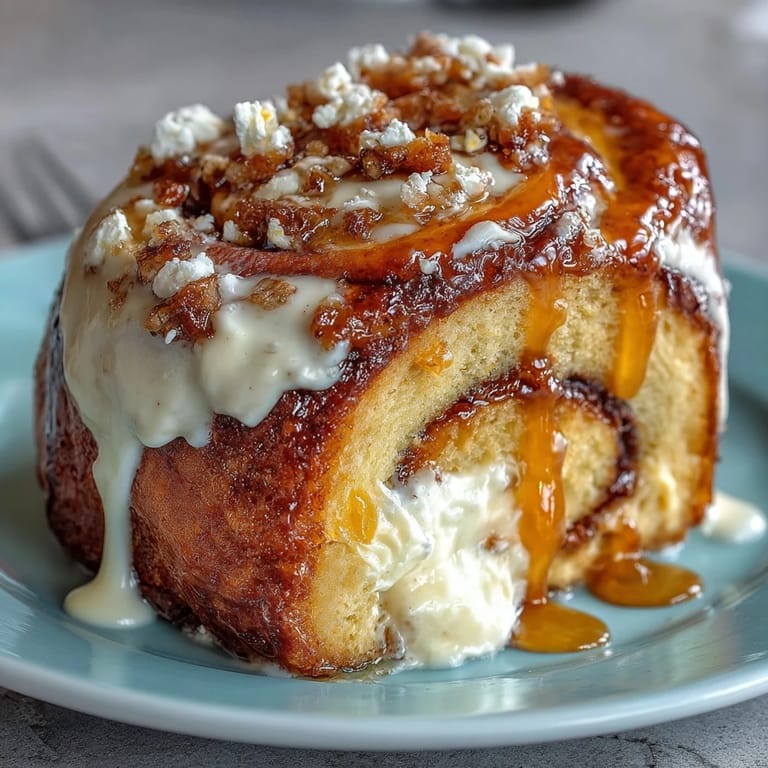
 There's something about the smell of orange zest hitting warm dough that just stops you mid-morning. I stumbled into these rolls one Saturday when I had leftover citrus from making marmalade and decided to throw caution to the wind, tossing orange juice straight into my usual roll dough. The kitchen smelled like a sunny grove for hours. My neighbor wandered over because she could smell them from outside, and we sat there pulling them apart while the frosting was still soft, getting powdered sugar everywhere and laughing about how something this good shouldn't be allowed before noon.
I made a double batch for my daughter's book club last spring, and someone actually asked if I was going to start selling them. That was the moment I realized these weren't just a fun breakfast experiment anymore—they'd become the rolls people request. Now whenever I bake them, I'm transported back to that afternoon watching everyone's faces light up at first bite, the way the orange and cream cheese combination just works.
Ingredients
- All-purpose flour (3 1/4 cups): The foundation of your dough; I always whisk it before measuring to avoid compacting it and ending up with a too-heavy dough that won't rise properly.
- Granulated sugar (1/4 cup for dough, 1/2 cup for filling): Feeds the yeast and sweetens without overwhelming, which lets the orange shine through instead of drowning in sugar.
- Active dry yeast (2 1/4 tsp): Make sure it's fresh and stored in a cool place; dead yeast is the silent saboteur of bread baking dreams.
- Salt (1/2 tsp): Strengthens gluten and balances sweetness; don't skip it or the rolls will taste oddly flat.
- Orange zest (from 2-3 large oranges total): The real star here—fresh zest has oils that dried zest simply can't compete with, so use a microplane and zest before you juice.
- Whole milk (1/2 cup, warmed): Warmth activates yeast and creates a tender crumb; cold milk will slow down fermentation.
- Fresh orange juice (1/4 cup): Brings acidity that makes flavors pop, but use fresh-squeezed if you can because bottled juice sometimes tastes metallic to me.
- Unsalted butter (1/4 cup melted for dough, 1/4 cup softened for filling): Melted butter distributes evenly through dough for a tender texture, while softened butter spreads smoothly over the rolled dough.
- Large eggs (2, room temperature): Room temperature eggs incorporate better and create a richer dough without shocking the yeast.
- Cream cheese (4 oz, softened): The frosting's backbone—softened properly, it beats smooth without lumps and balances sweetness with tang.
- Powdered sugar (1 1/4 cups): Dissolves into frosting for a silky finish; sift it first if you see any lumps.
- Vanilla extract (1/2 tsp): Just a whisper to deepen the other flavors without announcing itself.
Tired of Takeout? 🥡
Get 10 meals you can make faster than delivery arrives. Seriously.
One email. No spam. Unsubscribe anytime.
Instructions
- Bloom your yeast:
- Warm milk to about 110°F—hot enough that you can't comfortably hold your finger in it for 10 seconds—then mix it with orange juice, sugar, and yeast in a large bowl. Wait those 5-10 minutes watching for foam; it means your yeast is alive and ready to work.
- Build the dough:
- Stir in melted butter, zest, eggs, and salt, then gradually add flour while mixing until a soft, slightly sticky dough comes together. Hand-knead or use a dough hook for 8-10 minutes until smooth and elastic; the dough should spring back when you poke it.
- First rise:
- Move dough to a greased bowl, cover with a damp towel, and let it sit in a warm spot (I use my oven with the light on) until doubled, usually about an hour. The dough should jiggle when the bowl moves.
- Prepare the filling:
- Mix sugar and fresh orange zest in a small bowl; let it sit for a minute so the zest oils release into the sugar, creating a fragrant paste.
- Shape and fill:
- Punch down the dough, roll it into a 16x10-inch rectangle on a lightly floured surface, spread softened butter over it evenly, then sprinkle the orange sugar mixture all over. Starting from a long side, roll it tightly like you mean it—loose rolls expand unevenly and look sloppy.
- Cut and arrange:
- Using a sharp knife or dental floss (which sounds weird but actually works beautifully), cut the log into 12 equal pieces and arrange them in a greased 9x13-inch baking dish. They should nestle together but not touch.
- Second rise:
- Cover the pan and let the rolls puff up for 30-40 minutes until they look puffy and press-able. They'll rise more in the oven, so don't wait until they're massive.
- Bake:
- Preheat to 350°F and bake for 22-25 minutes until the tops are golden brown. They'll smell absolutely incredible—this is when your kitchen becomes a place of pure joy.
- Make the frosting:
- While rolls bake, beat softened cream cheese and butter until smooth, then add powdered sugar, orange juice, zest, vanilla, and salt. Beat until creamy and spreadable; don't overbeat or it gets grainy.
- Finish and serve:
- Let rolls cool for 10 minutes (this matters because frosting on piping-hot rolls melts into puddles), then spread generously over warm rolls. Serve immediately while they're still a little warm and the frosting is soft.
 Pin It
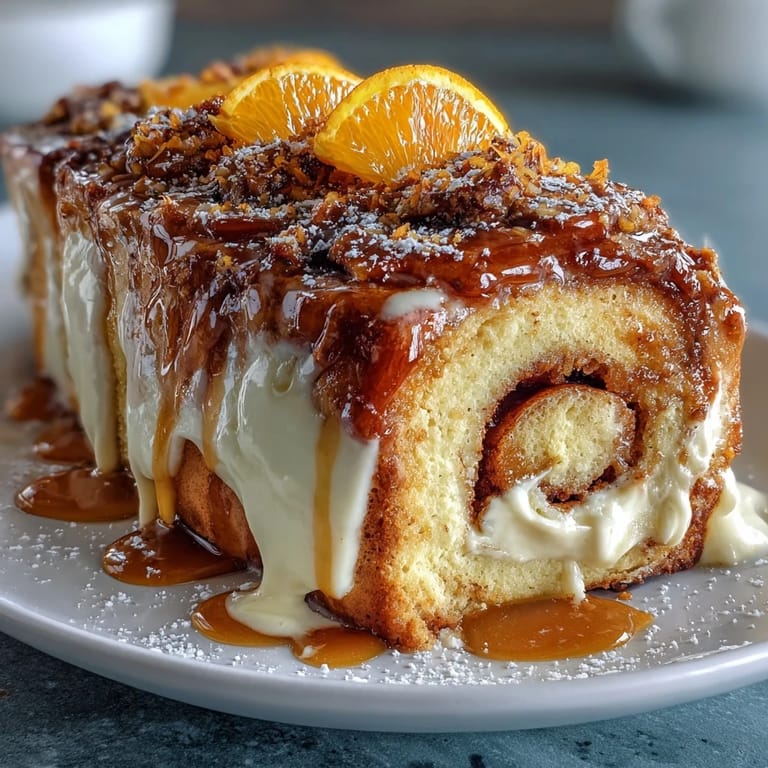
 What made these rolls stick around in my regular rotation wasn't just taste, though they're undeniably delicious. It was the moment my son asked if he could help me make them again the next week, and suddenly we had a ritual. Now they're less about being a recipe and more about having an excuse to spend a morning together, filling the house with that particular kind of citrus warmth that makes everything feel a little brighter.
The Orange Zest Situation
I've learned that not all oranges are created equal for zesting purposes. Navel oranges have thicker skin and more pronounced oils, making them ideal, while Valencia oranges are juicier but less flavorful for zest. I now buy organic when I'm making these specifically because the skins are usually untreated and feel safer zesting directly into food. A microplane zester is worth its weight in gold here—box graters leave you with chunky pieces instead of fine, aromatic wisps that actually dissolve into the dough.
Timing and Temperature Matter More Than You Think
The first time I made these in my unheated kitchen in November, the dough barely budged in two hours. I learned that yeast is temperature-sensitive; it's basically dormant below 65°F and thrives around 75-80°F. Now I proof dough in my turned-on oven with just the light on, or in a turned-off oven with the door cracked while I run hot water in the sink nearby. That small change cut my rise time in half and made the rolls more reliable, especially during colder months.
Why These Rolls Feel Special
There's something about the combination of yeast bread and citrus frosting that feels more refined than your standard cinnamon roll, but still approachable enough for a weekday breakfast. The cream cheese frosting actually complements the orange instead of competing with it, creating a flavor balance that lingers pleasantly. If you want to push it even further, a tiny drop of orange extract in the frosting adds complexity, though fresh juice and zest alone do an excellent job.
- Make these the night before, cover and refrigerate after shaping, then let them come to room temperature and rise while your oven preheats for perfectly convenient morning baking.
- If your rolls crack slightly during baking, it just means they had vigor; brush the warm frosting on generously to seal them up and no one will ever know.
- Leftover rolls keep for three days covered at room temperature, but honestly, they rarely make it past the first morning in most households.
 Pin It
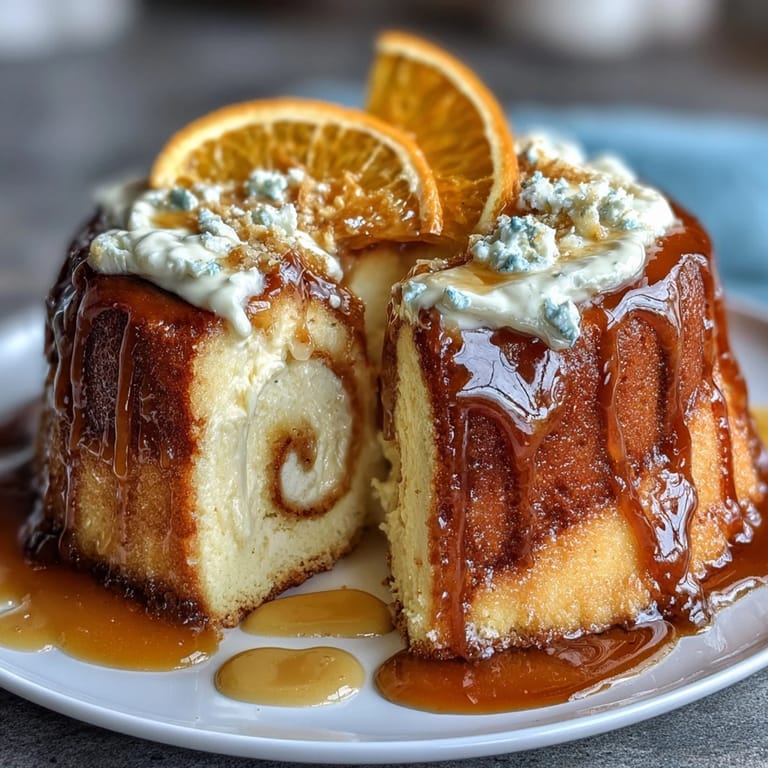
 These rolls have become my answer to the question of what to bring when someone's going through something—a little bundle of brightness that says I'm thinking of you without being fussy. They're the kind of recipe that improves with practice, so don't worry if your first batch isn't perfect.
Recipe Questions & Answers
- → How do I achieve soft texture in these rolls?
Knead until the dough is smooth and elastic, and allow two rise times to develop a tender crumb.
- → What gives the rolls their citrus flavor?
Fresh orange zest and juice are added to both the dough and the filling, infusing bright citrus notes throughout.
- → Can I prepare the rolls ahead of time?
Yes, shape and refrigerate overnight; then let them rise at room temperature before baking.
- → What’s the best way to cut the rolls evenly?
Use a sharp knife or dental floss to slice the dough log into equal portions without squashing.
- → How is the frosting made creamy and flavorful?
A blend of cream cheese, butter, powdered sugar, fresh orange juice, zest, and vanilla creates a smooth and tangy topping.