 Pin It
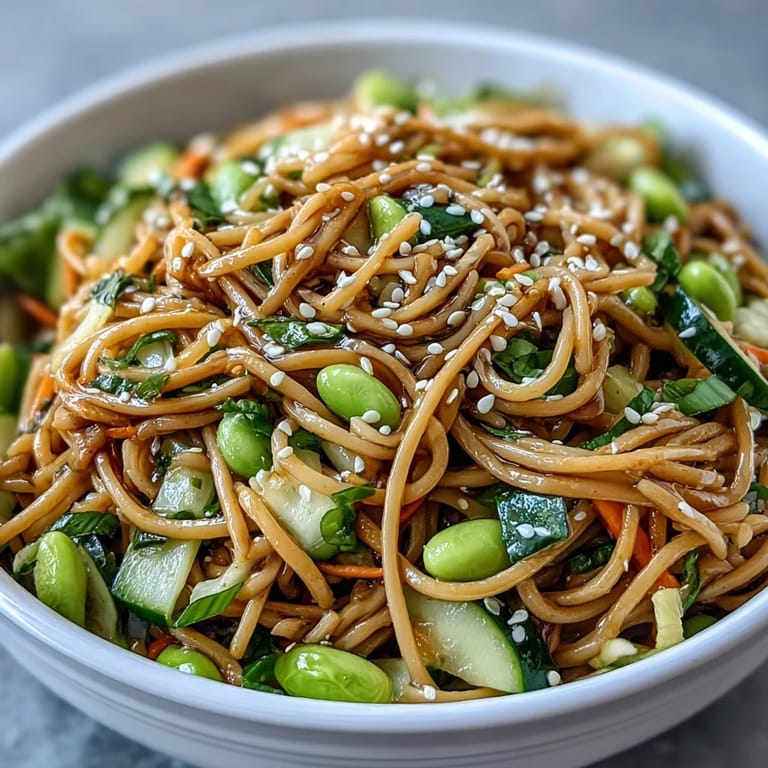
 There's something about summer heat that makes you crave bowls instead of plates. I discovered this sesame ginger noodle situation on a sweltering afternoon when my roommate pulled out a container of leftovers and the whole kitchen suddenly smelled like toasted sesame oil and fresh ginger. She wouldn't share her recipe, so I spent the next week reverse-engineering it in my kitchen, tasting and adjusting until I found the balance between creamy and bright. Now it's become my go-to when I need something that feels both comforting and light.
I made this for a potluck once and watched people come back for seconds without even asking what was in it. One guy was convinced there was cream in the dressing, and when I told him it was just tahini, he looked genuinely shocked. That moment taught me that sometimes the simplest ingredients create the most memorable flavors, and honest food impresses way more than complicated techniques.
Ingredients
- Soba or rice noodles (300g): The foundation here matters more than you'd expect. I've learned that soba noodles add an earthy, slightly nutty note that pairs beautifully with ginger, but rice noodles work just as well if you need them gluten-free or prefer something lighter.
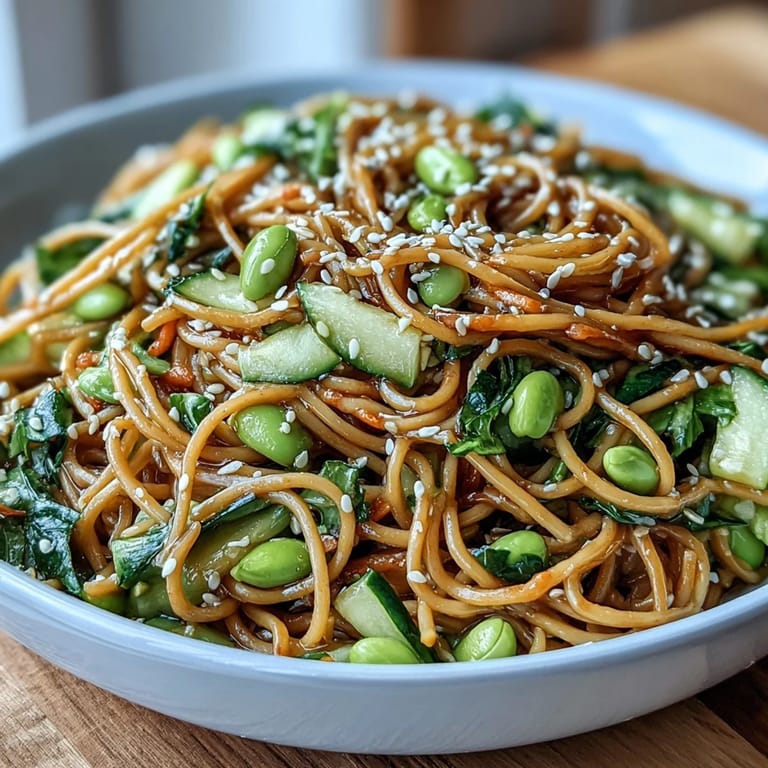
- Cucumber (1 medium): Julienne it thin so it stays crisp and almost melts into the bowl rather than fighting for space among the noodles.
- Carrots (2 medium): Raw and sliced thin, they bring sweetness and color while staying crunchy no matter how long the bowl sits.
- Edamame (1 cup cooked): These little beans are quietly the protein hero here, adding substance without heaviness.
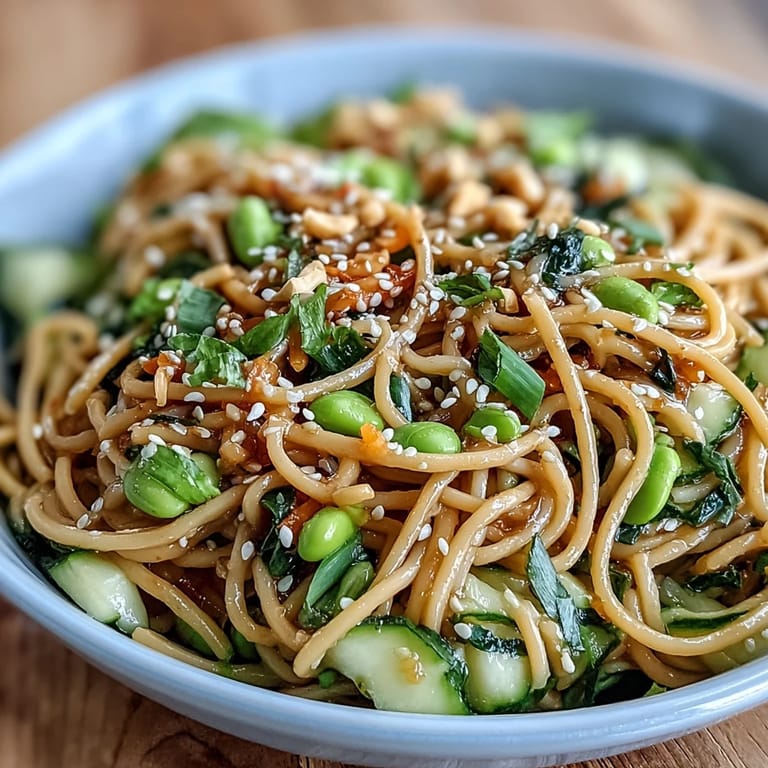
- Green onions (2): A handful of these at the end brightens everything and reminds you that freshness matters.
- Toasted sesame seeds (2 tbsp): Toast them yourself right before assembling if you can, the difference between stale and fresh is honestly surprising.
- Tahini or peanut butter (3 tbsp): This is your creamy base, and tahini gives a more sophisticated flavor while peanut butter makes it more casual and forgiving.
- Soy sauce or tamari (2 tbsp): The umami backbone, and it's worth grabbing tamari if anyone at your table needs gluten-free.
- Toasted sesame oil (2 tbsp): Use the good stuff here because it's not being hidden in anything, it's the star note of the whole dressing.
- Rice vinegar (1 tbsp): The brightness that keeps everything from feeling too heavy or rich.
- Maple syrup or honey (1 tbsp): Just enough sweetness to round out the ginger and balance the soy sauce.
- Fresh ginger (1 tbsp grated): Peel it first, then grate it on the smallest side of your box grater for the most aromatic results.
- Garlic (1 clove minced): A single clove is all you need because it plays support, not lead.
- Water (2-3 tbsp): For thinning the dressing to the right consistency, and you'll probably need all of it.
Tired of Takeout? 🥡
Get 10 meals you can make faster than delivery arrives. Seriously.
One email. No spam. Unsubscribe anytime.
Instructions
- Get your noodles ready:
- Boil water in your pot and cook the noodles exactly to package directions because you want them tender but still with a tiny bit of resistance. Drain them and immediately run cold water over them while stirring gently so they don't clump together.
- Prep all your vegetables:
- Slice and julienne everything while your noodles cook so you're not rushing at the end. The cucumber and carrots should be thin enough to bend slightly, and your edamame should be completely cooled.
- Make the dressing:
- Whisk the tahini with soy sauce first to create a smooth paste, then add everything else and whisk like you mean it. If it's too thick and gloopy, add water a tablespoon at a time until it flows off your whisk in ribbons.
- Bring it all together:
- Toss the cold noodles with the dressing first so they're evenly coated and don't get clumpy, then add your vegetables and fold everything together gently. The goal is even distribution without smashing anything.
- Finish and serve:
- Divide among bowls, scatter green onions and sesame seeds on top, and serve right away or chill for fifteen minutes if you want it extra cold. Trust me on the chilling, it changes the eating experience entirely.
 Pin It
 There was a moment when my friend took her first bite and paused, fork halfway to her mouth, just breathing in the smell. She told me it reminded her of a restaurant she loved but couldn't quite afford to visit, and that's when I understood this recipe had become more than just lunch for me. Now whenever someone tries it, I see that same pause, that same moment of recognition that good food is a kind of gift you give people.
Why Cold Noodles Matter
I used to make this with warm noodles and wondered why it never quite tasted right. The temperature actually changes everything here because cold noodles have a different texture, a different way of holding onto the dressing, and a different way of hitting your palate. Warm noodles feel heavy and demand heartier toppings, but cold noodles feel refreshing and almost restaurant-quality without any pretension.
Dressing Science You Actually Care About
The reason this dressing works instead of separating into oil and paste is because the soy sauce acts like an emulsifier, just like it does in Asian cooking across the board. Understanding that made me feel less like I was following a recipe and more like I was actually cooking something. Once you see how the components work together, you stop being afraid to adjust things based on what you have on hand.
Making It Your Own
The best part about this bowl is how willing it is to change based on what you find in your kitchen or what you're craving that day. I've made versions with roasted chickpeas when I was out of edamame, with shredded rotisserie chicken when I wanted more protein, and with everything from cabbage to snap peas depending on the season. The dressing is forgiving enough that any vegetable you add will taste intentional rather than like you're just throwing things in.
- Spice it up by stirring in sriracha or chili flakes right into the dressing if you like heat.
- Add baked tofu, chickpeas, or rotisserie chicken for extra protein without changing the vibe.
- Swap in whatever fresh vegetables you have because the dressing ties everything together beautifully.
 Pin It
 This bowl has become my answer to so many moments, whether I'm cooking for myself on a chaotic Tuesday or feeding a group of friends on a Saturday evening. It's proof that simple ingredients, when treated with respect and a little bit of attention, can create something people actually want to eat.
Recipe Questions & Answers
- → Can I use different noodles for this dish?
Yes, soba, rice noodles, or even whole wheat spaghetti can be used to suit your preference or dietary needs.
- → How can I make the dressing thinner if needed?
Add a little water, one tablespoon at a time, while whisking until the desired consistency is reached for easy coating.
- → What are good protein add-ins for this dish?
Baked tofu, edamame, shredded chicken, or other protein-rich options complement the flavors well.
- → Can the dish be served warm?
It is best served chilled or at room temperature to highlight the refreshing qualities of the dressing and vegetables.
- → Is it possible to add some heat to this bowl?
Yes, sprinkle chili flakes or drizzle some sriracha to introduce a spicy kick if desired.