 Pin It
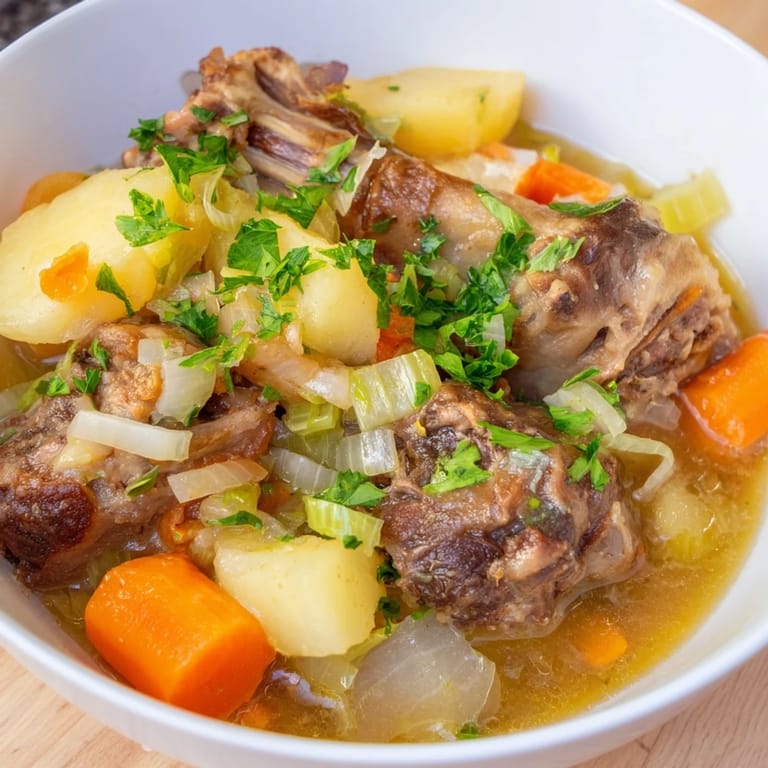
 My grandmother kept a well-worn recipe card for cawl tucked behind a tin of loose tea in her Welsh kitchen, and the first time I made it without her guidance, I realized the real magic wasn't in following steps—it was in the smell that slowly fills your home as the lamb becomes impossibly tender. That stew taught me that patience and good ingredients are the only rules that actually matter.
I made this for friends who'd never tried Welsh food, and watching them go quiet mid-spoonful—that moment when you realize food has shifted something—reminded me why my grandmother held this recipe so dear. It's the kind of dish that brings people together without any fuss.
Ingredients
- Lamb shoulder (1 kg, bone-in chunks): Bone-in meat gives the broth depth and richness that boneless cuts simply can't match; don't trim away the fat, it carries all the flavor.
- Carrots (2 large, sliced): They add natural sweetness and break down into the broth, making it silky and golden.
- Parsnips (2 medium, sliced): Their earthy sweetness balances the lamb's richness in a way that feels inevitable once you taste it.
- Potatoes (2 medium, diced): These thicken the stew naturally and absorb all the savory flavors around them.
- Swede or rutabaga (1 small, diced): A humble root vegetable that adds a subtle sweetness and texture; if you can't find it, use more parsnip.
- Leeks (2, cleaned and sliced): The soul of cawl—add half near the start and the rest at the end so you get both deep flavor and fresh notes.
- Onion (1 medium, diced): A quiet backdrop that helps everything else taste like itself.
- Stock (1.5 liters lamb or chicken): Use the best stock you can find or make your own; it's the foundation everything rests on.
- Bay leaves (2): Add them early and remember to fish them out before serving.
- Fresh parsley (1 small bunch): Save most of it for the end; it brightens everything and looks beautiful scattered on top.
Tired of Takeout? 🥡
Get 10 meals you can make faster than delivery arrives. Seriously.
One email. No spam. Unsubscribe anytime.
Instructions
- Brown and blanch the lamb:
- Place lamb chunks in your pot and cover with cold stock, then bring to a rolling boil. You'll see gray foam rise to the surface—skim it away with a spoon until it mostly stops, this keeps the broth clear and clean. It takes a few minutes and feels almost meditative.
- Let it become tender:
- Add bay leaves, lower the heat, and cover the pot. Simmer gently for a full hour—you want barely a bubble, just the occasional lazy steam. This is when the magic happens; the meat relaxes and the broth becomes rich.
- Build with vegetables:
- Add carrots, parsnips, potatoes, swede, onion, and most of the leeks (save a handful for later). Season generously with salt and pepper. Return to a gentle simmer and let everything cook together for 45 minutes until the vegetables yield to a fork and the lamb falls apart.
- Finish with fresh notes:
- Add the reserved leeks and most of the chopped parsley. Simmer for just 10 more minutes so the leeks stay tender and the parsley stays bright green and vibrant.
- Taste and adjust:
- Remove the bay leaves and taste carefully. Season again if needed—cawl should taste deeply savory and warming, never bland.
 Pin It
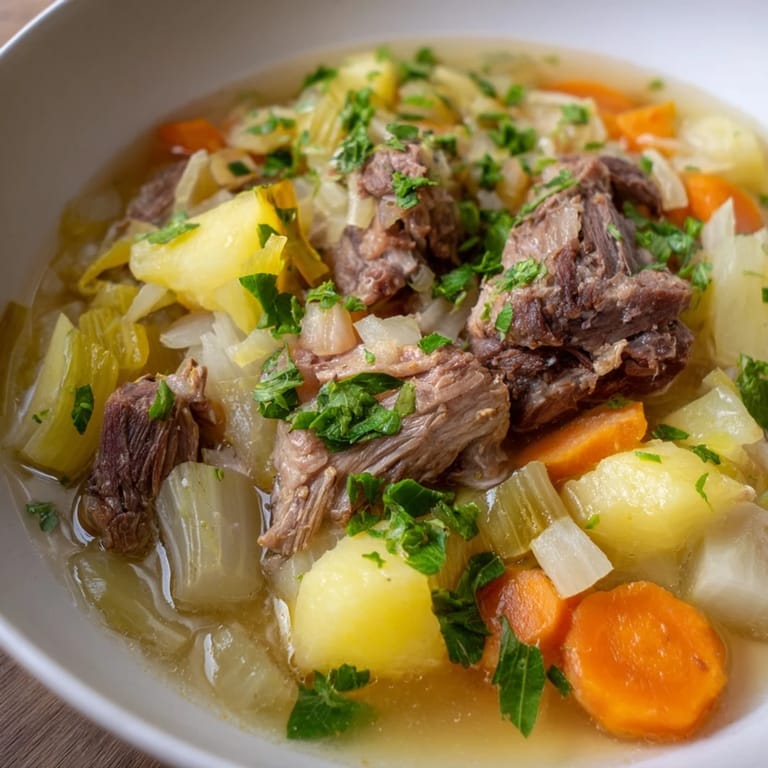
 I learned this dish feeds people in a way that goes beyond hunger. A bowl of cawl on a cold evening has a way of making someone feel genuinely cared for.
Why Cawl Means Something
In Welsh culture, cawl was never just dinner—it was how families marked the seasons and fed themselves through winters. The stew sat on the stove for hours, filling the house with warmth and sending a message to everyone around that this was a home that nourished people. Making it yourself connects you to something real.
What to Serve It With
Cawl is traditionally served with crusty bread for soaking up the broth, or with Welsh cheese like Caerphilly that adds a sharp, salty contrast. Some families eat it in two sittings—first the broth with some vegetables and bread, then the tender meat and remaining vegetables as the main course. Whatever you choose, the stew is generous enough to handle any accompaniment you pair it with.
Storing and Reheating
This stew actually improves when made a day or two ahead; the flavors deepen and marry together overnight. Store it in the refrigerator in a covered container for up to four days, or freeze it for up to three months. When you reheat it, do so gently on the stove over medium heat, stirring occasionally and adding a splash of water if the broth has thickened too much.
- Let leftovers cool completely before refrigerating to keep the flavors fresh.
- If you freeze it, leave a little space at the top of the container since the stew expands slightly.
- Reheating on the stove rather than the microwave brings back the warmth and comfort that makes cawl special.
 Pin It
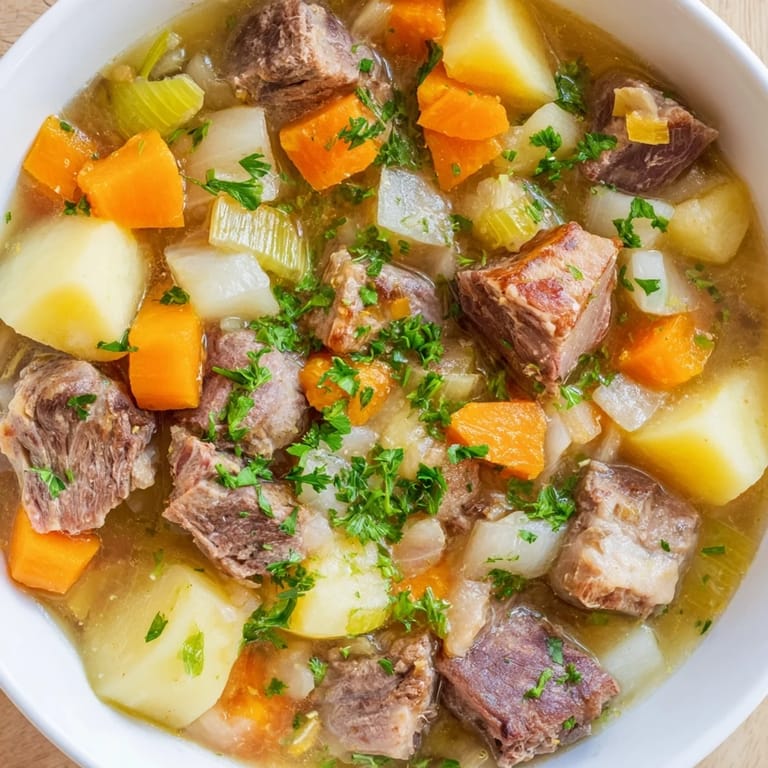
 Cawl is proof that the simplest ingredients, given time and respect, become something that nourishes both body and spirit. Make this for someone you care about.
Recipe Questions & Answers
- → What cut of lamb works best for this dish?
Lamb shoulder with the bone in is preferred for its flavor and tenderness after slow simmering.
- → Can I substitute the root vegetables?
Yes, common substitutions include turnips or parsnips depending on availability, maintaining the stew’s earthy character.
- → How long should the stew simmer?
Simmer gently for about 1 hour before adding vegetables, then continue for 45 minutes until tender.
- → Is it better to make this dish ahead of time?
Allowing the dish to rest overnight enhances the depth of flavors, making it even more satisfying when reheated.
- → What sides complement this dish well?
Crusty bread or traditional Welsh cheese like Caerphilly provide a perfect balance alongside the rich, hearty stew.