 Pin It
 If you listen closely when cottage cheese is blending with eggs in a quiet morning kitchen, it almost hums—a tiny promise of what’s to come. I was first lured into making this ultra-simple flatbread after a friend’s text: Have you seen this? It holds together way better than I thought! That odd curiosity had me raiding my fridge at lunchtime, ready to experiment. There’s something liberating about recipes that only ask for two fridge staples. My skepticism was quickly replaced by the fun of seeing a smooth, pillowy batter come together in under a minute.
One Saturday, I made a stack for a movie night, letting everyone choose their own filling: one friend went classic turkey and greens, another dared a pizza remix, and I just enjoyed seeing my flatbread hold up under a mountain of hummus and roasted veggies—no cracking, no fuss. It became the kind of meal that lingers, more laughs than crumbs left. The best part was watching even the skeptics come back for seconds, quietly impressed. And I’ve yet to meet someone who didn’t start brainstorming their own mix-ins before the night was over.
Ingredients
- Cottage cheese (1 cup, full-fat or low-fat): Lean into whichever you have—full-fat gives a richer, softer bite, though low-fat still works and keeps things lighter.
- Eggs (2 large): Room temperature eggs blend more smoothly—a trick I picked up after one too many chilly, reluctant batters.
Tired of Takeout? 🥡
Get 10 meals you can make faster than delivery arrives. Seriously.
One email. No spam. Unsubscribe anytime.
Instructions
- Preheat and Prep:
- Get your oven cozy at 350°F and line your baking sheet with parchment—trust me on the parchment, it saves you from sticky struggles.
- Blend Until Silky:
- Pop cottage cheese and eggs in your blender or food processor. After 30 seconds, the batter should look utterly creamy, without any lumps.
- Shape the Flatbreads:
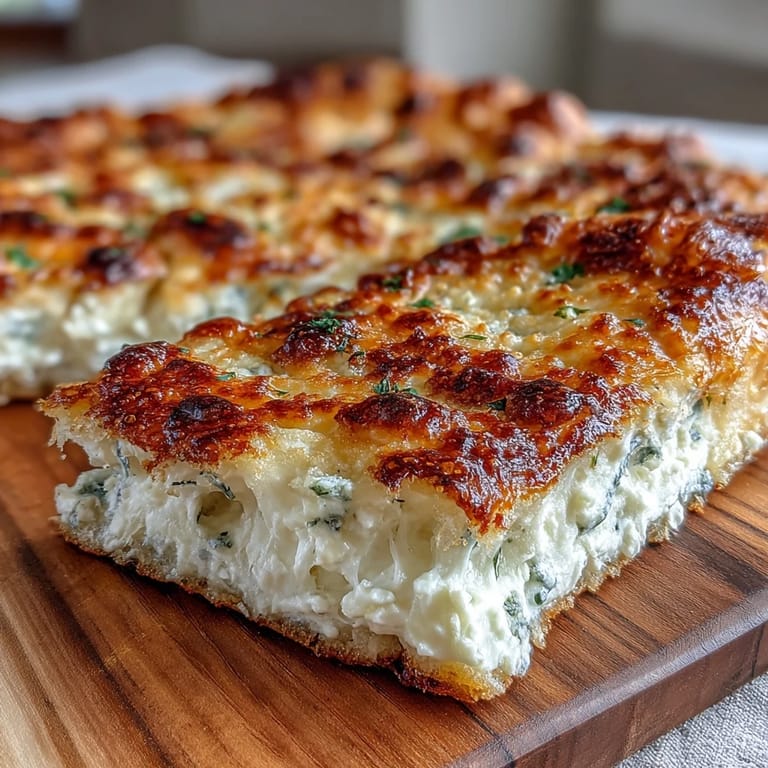
- Pour the batter onto your sheet and use a spatula to form 3–4 even rounds or a single rectangle about 1/4-inch thick.
- Bake to Perfection:
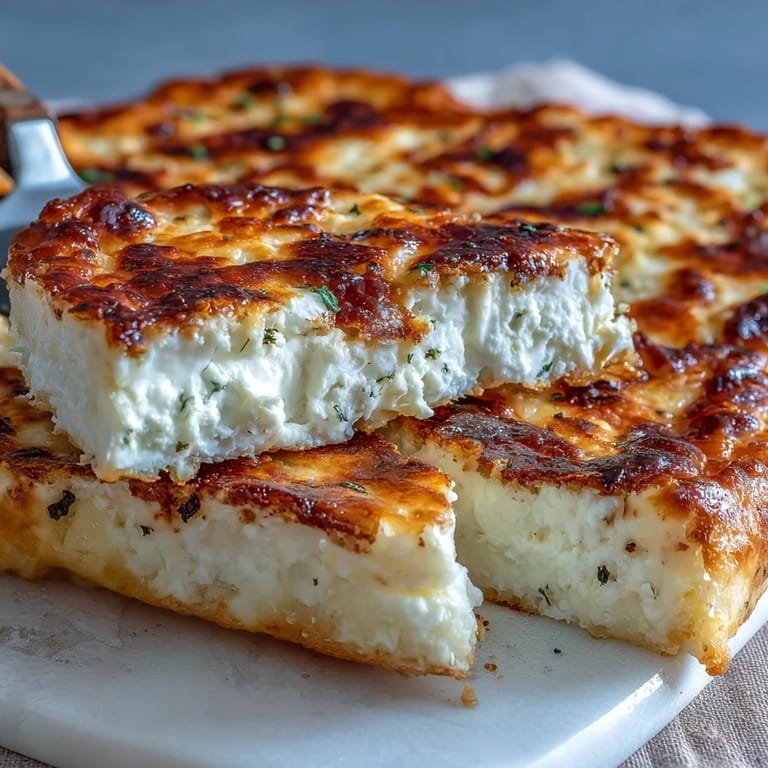
- Slide the tray onto the oven’s middle rack and let the flatbreads bake for 18–22 minutes, until golden at the edges and easy to lift.
- Cool and Serve:
- Give them a few minutes to cool; this makes peeling them off the parchment a breeze. Serve warm, or at room temp, however you’re feeling.
- Storing for Later:
- Pop leftovers into an airtight container in the fridge—they keep well for up to three days and reheat quickly in a skillet.
 Pin It
  Pin It
 The first time my partner watched me pull these golden rounds from the oven, their dubious look switched to delight in seconds. We sat at the kitchen counter, tearing off pieces, dipping, wrapping, and agreeing that sometimes, the simplest recipes have the most to give.
How to Get the Texture Just Right
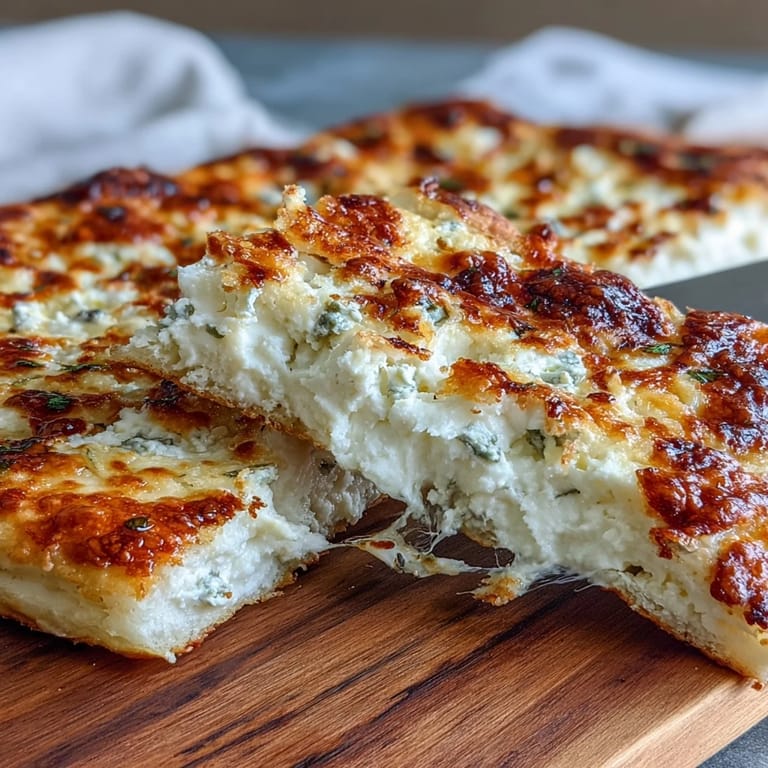
If you like your flatbread super pliable for wraps, aim for a little under 20 minutes bake time; a couple minutes more gives a firmer, slightly crisp edge. The satisfying thing is you get to decide—the color at the edge is your best clue.
Make It Your Own Every Time
Tossing in a pinch of chili flakes, smoked paprika, or even a little grated Parmesan turns the base into something different every time. Once, I swirled in chopped fresh herbs and a squeeze of lemon before baking, and it was easily the best lunch of the week.
Serving Moves and Storage Wins
There’s no wrong way to enjoy these—layer on grilled veggies, pile up with chicken salad, or use as a low-carb mini pizza base. When reheating, a quick minute in a dry pan brings their flexibility right back. They’re also surprisingly freezer friendly—just layer with parchment, freeze, and reheat straight from frozen.
- Spread them thinner for even crispier edges
- Dairy-free cottage cheese changes the texture, but still works in a pinch
- Season generously for best flavor
 Pin It
  Pin It
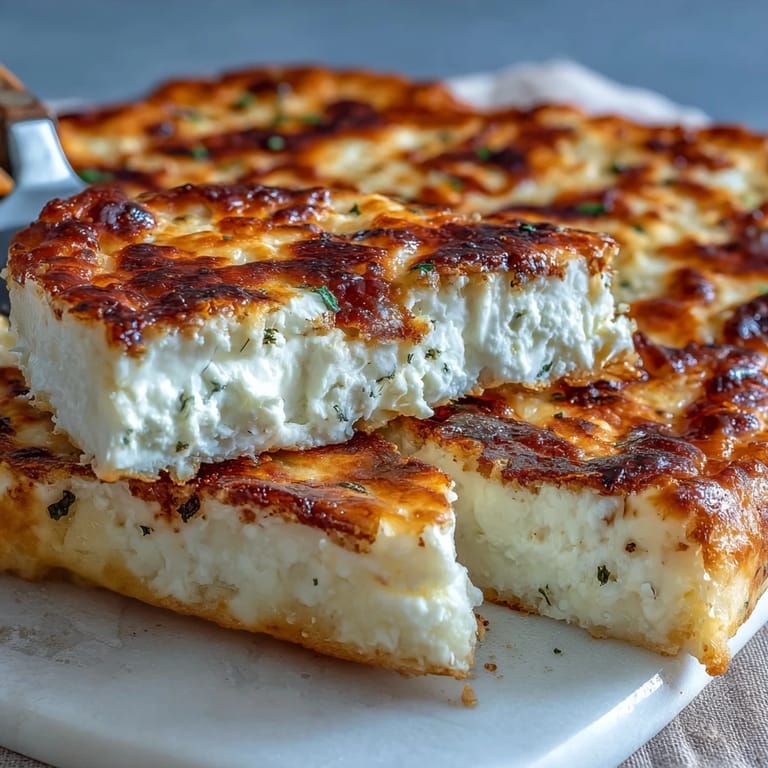
 This flatbread always surprises people with how easy and reliable it is. I hope you find it as versatile and genuinely fun to share as I have.
Recipe Questions & Answers
- → Why is the center still wet after baking?
If the center is wet, the batter may be too thick or the rounds too thick. Blend until completely smooth, spread to about 1/4-inch thickness, and bake until set and lightly golden. Allow a few minutes to cool on the parchment so the steam dissipates.
- → Can I use low-fat or full-fat cottage cheese?
Both work. Full-fat yields a richer, more tender crumb; low-fat can be slightly drier. If using low-fat, you can add an extra egg yolk or a small splash of milk/dairy-free milk for a softer texture.
- → How can I make a dairy-free version?
Try a dairy-free cottage-cheese alternative or a well-drained, blended soft tofu as a substitute; texture may vary. Expect slight differences in moisture and browning—adjust thickness and baking time as needed.
- → How should I store and reheat leftovers?
Store cooled flatbreads in an airtight container in the refrigerator for up to 3 days. Reheat briefly in a warm skillet to restore flexibility, or bake/air-fry to crisp edges. Freeze layers separated by parchment for longer storage.
- → Can these be frozen for later use?
Yes. Cool completely, layer with parchment, and freeze in an airtight container for up to one month. Thaw in the refrigerator or at room temperature and reheat in a skillet or oven.
- → What thickness and bake time give the best texture?
Spread the batter to about 1/4-inch thickness. Bake at 350°F (175°C) for 18–22 minutes, or until set and lightly golden. Thinner rounds will crisp more; thicker ones stay softer and chewier.