 Pin It
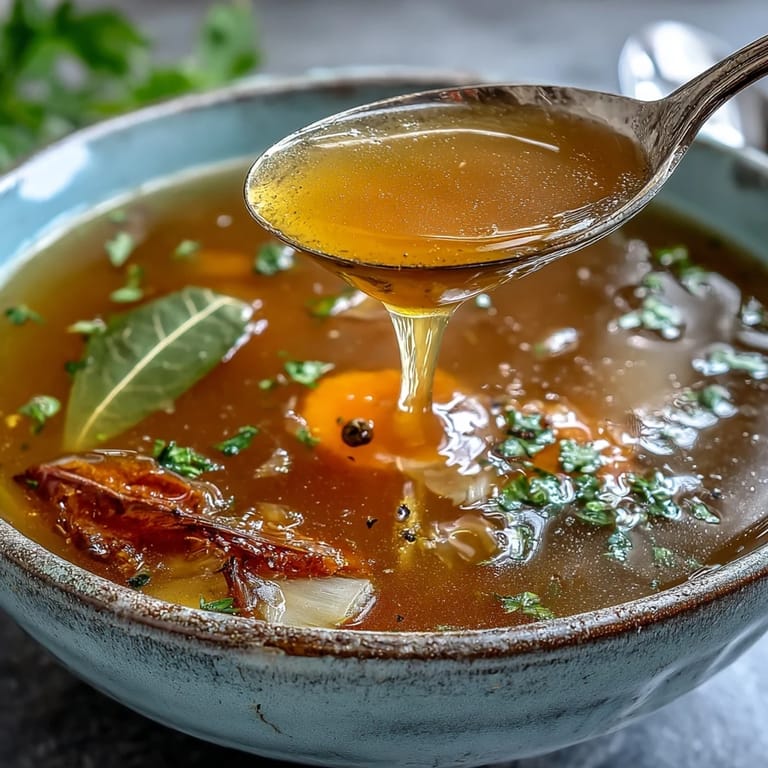
 My freezer has a dedicated bag for vegetable scraps now, something that would've seemed wasteful just a few years ago. One particularly slow Tuesday, I realized I'd accumulated enough carrot peels, onion skins, and celery ends to finally make broth, and that first golden sip changed how I think about cooking entirely. What started as an attempt to reduce kitchen waste became something I look forward to, a quiet ritual that transforms what would've been trash into something genuinely nourishing and delicious.
I made this for my roommate on a rainy afternoon when she was feeling under the weather, and watching her face light up when she tasted it reminded me that the best food doesn't need to be complicated or expensive. She asked if I'd bought it from some fancy shop, and I got to tell her it was made from scraps we'd normally thrown away. Something shifted in that moment between us both.
Ingredients
- Vegetable Scraps (5 to 6 cups of assorted trimmings): Carrot peels, onion skins, celery ends, leek tops, mushroom stems, garlic skins, and parsley stems are all gold here, but save them clean and fresh, ideally within a few days of trimming.
- Bay Leaves (2): These provide a subtle earthiness that anchors the whole broth, lending it a sophisticated depth that feels intentional.
- Whole Black Peppercorns (8 to 10): Don't grind them; keeping them whole allows their flavor to infuse gently without bitterness.
- Garlic (2 cloves, optional, smashed): If you use garlic, smash it so the insides release flavor into the liquid more freely.
- Fresh Parsley or Thyme Sprigs (1 small handful, optional): These add brightness; use what's in your kitchen or omit if you don't have any on hand.
- Salt (1 to 2 teaspoons): Start conservative because you can always taste and add more as the broth develops.
- Cold Water (2 liters or 8 cups): Cold water draws flavors out slowly and gently, creating a clearer final broth than hot water would.
Tired of Takeout? 🥡
Get 10 meals you can make faster than delivery arrives. Seriously.
One email. No spam. Unsubscribe anytime.
Instructions
- Collect Your Scraps with Intention:
- Gather clean vegetable trimmings and keep them in a designated freezer bag so they're ready when inspiration strikes. Avoid bitter vegetables like broccoli, Brussels sprouts, or large amounts of cabbage, which will make your broth taste sharp and unpleasant.
- Build the Foundation:
- Place your scraps, bay leaves, peppercorns, garlic if using it, and a pinch of salt into a large stockpot, then pour in the cold water. Take a moment to notice the pile of what almost became waste, now about to become something nourishing.
- Bring to a Gentle Boil:
- Turn the heat to medium-high and let the water come to a boil, watching as the scraps begin to soften and release their essence. You'll see a grayish foam start to form on the surface, which is normal and will calm down once you reduce the heat.
- Simmer and Tend:
- Lower the heat to maintain a gentle simmer, and let it bubble quietly for about 1 hour, occasionally skimming off any foam that rises to the surface with a ladle or spoon. This simple act of paying attention creates a clearer, more refined broth.
- Taste and Adjust:
- After an hour, taste the broth and add more salt if it needs depth or character. Trust your palate; this is your broth, seasoned exactly as you like it.
- Strain with Care:
- Pour the broth through a fine-mesh sieve or cheesecloth into a large bowl, letting gravity do the work and discarding the spent solids. The liquid should smell warm, vegetal, and inviting.
- Cool and Store:
- Let the broth cool to room temperature before transferring it to airtight containers for the refrigerator, where it keeps for up to 5 days, or the freezer, where it lasts 3 months. Frozen broth thaws beautifully and tastes just as good as fresh.
 Pin It
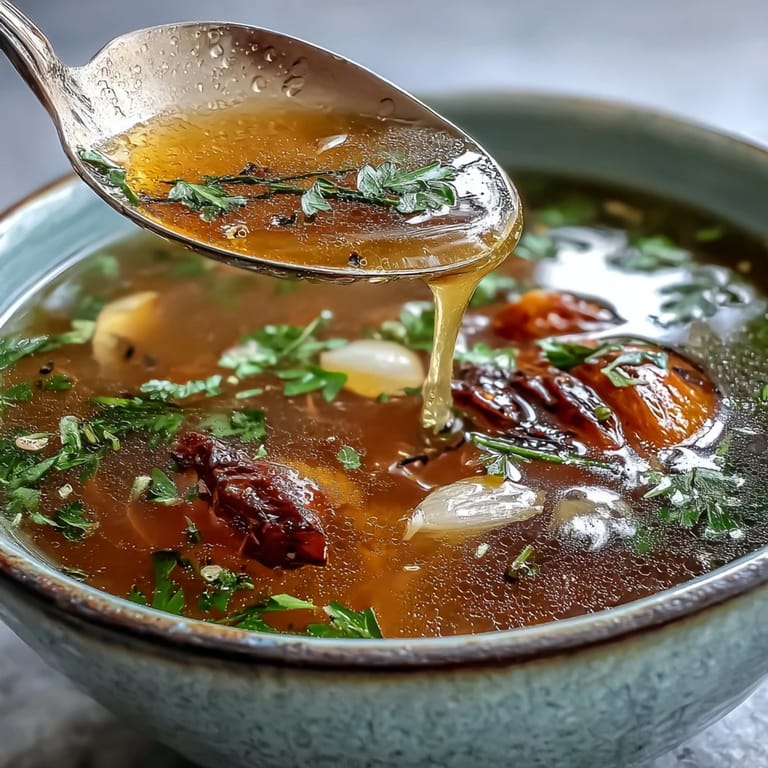
 There's something almost meditative about knowing exactly where your food comes from, especially when it's born from your own hands and kitchen rhythm. This broth taught me that sustainable cooking isn't about sacrifice; it's about paying attention and discovering value in things we've been trained to discard.
The Zero-Waste Kitchen Philosophy
Making broth from scraps is as much about mindset as it is about technique. Once you start saving vegetable trimmings, you begin to see your kitchen differently, noticing the abundance in what you already have instead of focusing on what you lack. I keep a labeled bag in my freezer specifically for broth scraps, and it's become a small ritual that reminds me to cook more intentionally. The moment you taste the difference between homemade and store-bought broth, you'll understand why this matters.
When to Make Extra Batches
Build this into your routine whenever you're prepping vegetables for other meals, treating it as a parallel process rather than an extra task. On days when I'm already dicing onions or trimming celery for a stir-fry, I set aside the scraps without any extra effort, and by week's end I have enough for a full pot of broth. Winter is peak broth season in my kitchen because I'm cooking heartier soups and stews anyway, so the scraps accumulate naturally.
Flavor Variations and Upgrades
The beauty of this recipe is its flexibility, allowing you to create different broths depending on what you have and what you're planning to make. For deeper umami richness, add a piece of kombu seaweed or a handful of dried shiitake mushrooms, which transform a simple vegetable broth into something almost meat-like in its savory depth. You can also experiment with aromatics, throwing in a cinnamon stick for sweeter applications or a few dried chiles if you're building a spicy broth foundation.
- Kombu or dried shiitake mushrooms add a savory richness that elevates the broth from light to sophisticated.
- Save carrot tops and beet greens instead of discarding them, as their mineral-rich flavor creates complexity.
- Freeze fresh herbs like cilantro, dill, or basil in ice cube trays with a bit of broth for instant flavor bombs later.
 Pin It
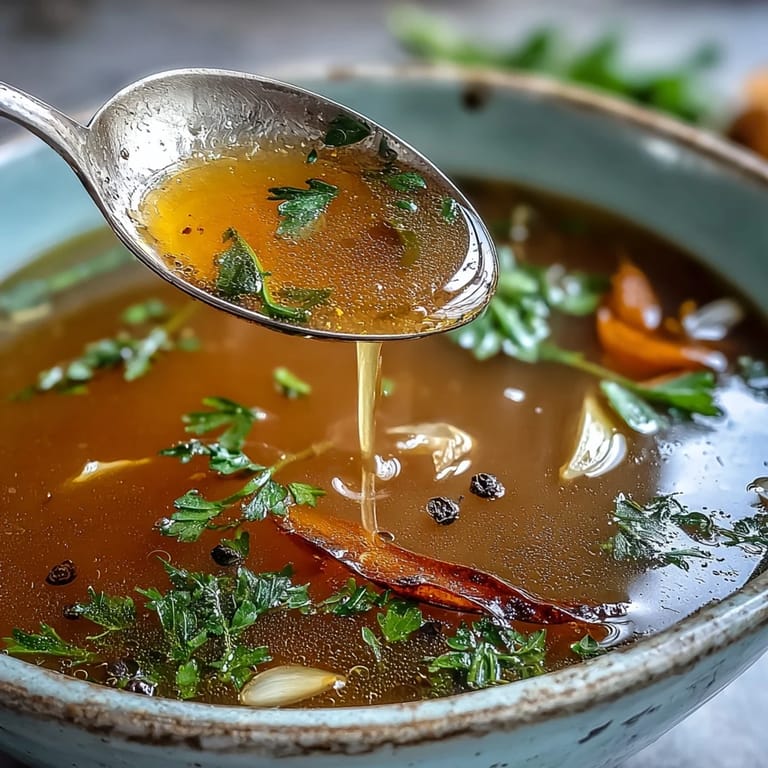
 This broth is proof that the most valuable things in cooking often come from paying attention to what's right in front of you. Every cup is a small rebellion against waste, a quiet choice to see potential in what the world tells you to throw away.
Recipe Questions & Answers
- → What vegetables work best for homemade broth?
Carrot peels, onion skins, celery ends, leek tops, mushroom stems, garlic skins, and parsley stems create the most balanced flavor. Potato peels also work well when thoroughly washed.
- → Why should I avoid cruciferous vegetables?
Broccoli, cauliflower, Brussels sprouts, and cabbage can impart bitter flavors when simmered for extended periods. These vegetables contain sulfur compounds that become pronounced during long cooking times.
- → How long does the broth stay fresh?
Properly cooled and stored in airtight containers, the broth keeps for five days in the refrigerator. For longer storage, freeze for up to three months without losing quality or flavor.
- → Can I enhance the umami flavor?
Adding dried shiitake mushrooms or a piece of kombu seaweed during simmering deepens the savory notes. These ingredients release natural glutamates that create a richer, more complex taste profile.
- → Should I salt the broth during cooking?
Adding salt during simmering allows for better integration, but keep it minimal since this broth will likely be used in other dishes. Adjust seasoning when incorporating into soups or sauces.
- → What's the purpose of skimming foam?
Skimming removes impurities and proteins that rise to the surface during boiling. This step ensures a clearer, cleaner-tasting final product with better visual appeal.