 Pin It
 The first time I held a cleaned sheep's stomach in my hands, I understood why haggis feels like such a ritual in Scottish kitchens. My friend's mother pulled it from the freezer with the kind of casual confidence that only comes from making something a hundred times, and as she began filling it with the spiced meat and oatmeal mixture, the whole kitchen filled with this warming, complex aroma that made everyone stop talking. Haggis isn't just food—it's a moment of connection to something ancient and deeply intentional, wrapped quite literally in tradition.
Years ago, I cooked haggis for a dinner party where half the guests had never tried it before, and I watched their faces shift from nervous curiosity to genuine surprise as they tasted it. One guest kept asking what exactly was in it, and when I explained the offal component, she paused mid-bite and then laughed—she'd been enjoying it so much that the idea of what she was eating had become almost secondary to how good it actually tasted. That moment made me realize haggis has this wonderful way of breaking down preconceptions the moment it hits your tongue.
Ingredients
- Sheep's heart, liver, and lungs (500 g): These are the soul of haggis—they create that distinctive mineral richness that makes this dish unmistakably Scottish, though lamb or beef mince works if you want something milder.
- Beef or lamb suet (200 g, finely chopped): Suet carries the fat-soluble flavors and keeps the mixture moist as it steams; don't skip this or your haggis will dry out.
- Optional lamb or beef mince (300 g): Adding this extends the texture and softens the intensity if you're not completely comfortable with pure offal.
- Steel-cut oats, toasted (150 g): Toasting them first gives a subtle nutty note that lifts the whole dish—don't use rolled oats or you'll end up with mush.
- Medium onions, finely chopped (2): These cook into the mixture and add a sweet, savory backbone that balances the spices.
- Beef stock (250 ml): This keeps everything moist and adds umami depth that brings the whole mixture together.
- Ground black pepper, ground coriander, ground nutmeg, ground allspice, salt: This spice blend is what makes haggis taste like haggis—the warmth of nutmeg and allspice, the brightness of coriander, and the sharp pepper all matter.
- Cleaned sheep's stomach or large sausage casing: The stomach gives haggis its traditional shape and character; if you can't find one, a pudding basin works just fine.
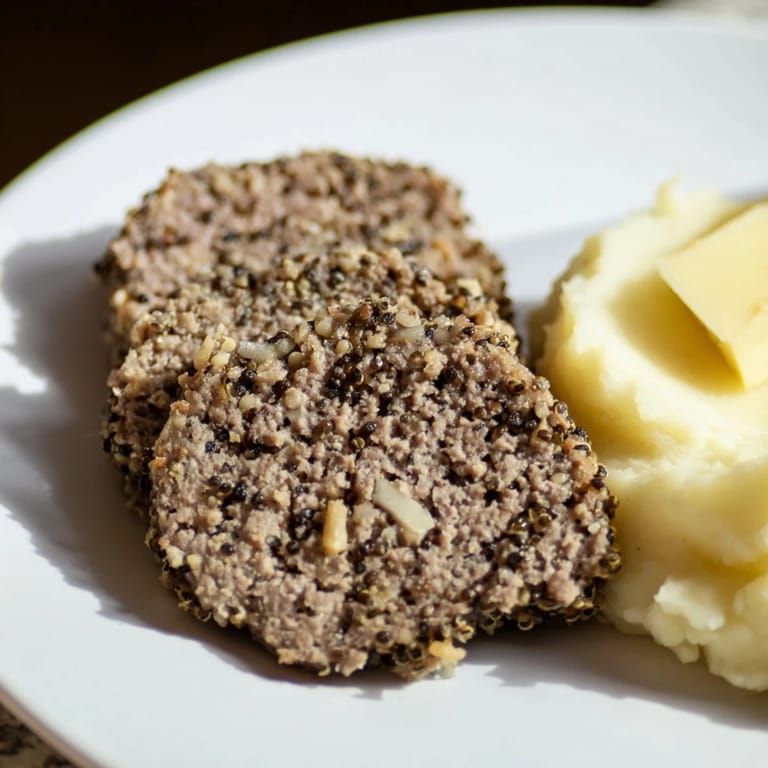
- Potatoes and turnips (500 g each): Neeps and tatties are the traditional companions—boil them separately so each stays true to its own flavor.
- Butter (50 g): Mashing it into the potatoes and turnips adds richness that balances the haggis.
Tired of Takeout? 🥡
Get 10 meals you can make faster than delivery arrives. Seriously.
One email. No spam. Unsubscribe anytime.
Instructions
- Cook the offal until completely tender:
- Place the heart, liver, and lungs in a pot, cover with cold water, and bring to a boil—this takes off any surface impurities. Simmer gently for 1 to 2 hours until everything is soft enough to shred easily with a fork; you want no resistance or pink inside. Once it's cool enough to handle, mince it finely by hand or pulse it in a food processor until you have a coarse, even texture.
- Build the mixture with layers of flavor:
- Combine the minced offal with the suet, toasted oats, finely chopped onions, and optional extra mince in a large bowl. Add the beef stock and all your spices, and mix everything together with your hands until it's evenly distributed and feels moist but not wet—if it looks soupy, you've added too much liquid.
- Prepare your casing or basin:
- If using a sheep's stomach, rinse it inside and out under cold running water and check for any holes by gently filling it with water first. For a sausage casing, the same gentle rinsing applies; for a pudding basin, just make sure it's clean and dry.
- Fill with intention, leaving room to breathe:
- Spoon the mixture into your chosen vessel—whether casing or basin—but don't pack it tightly; leave about an inch of space at the top because the mixture will expand slightly as it cooks. If using a casing, tie off both ends securely with kitchen twine; if using a basin, cover it tightly with foil.
- Steam it low and slow until it sets:
- Place your haggis in a large pot of gently simmering water—the water should come halfway up the sides but never cover the top. Simmer for exactly 2 hours, checking the water level every 30 minutes and topping it up as needed; this gentle steaming is what keeps haggis moist and lets the flavors meld together.
- Prepare the sides while haggis cooks:
- About 45 minutes before the haggis finishes, start boiling the potatoes and turnips separately in salted water until they're completely tender and a fork slides through without resistance. Drain each thoroughly, then mash with butter, salt, and pepper until creamy—taste as you go.
- Bring it to the table with ceremony:
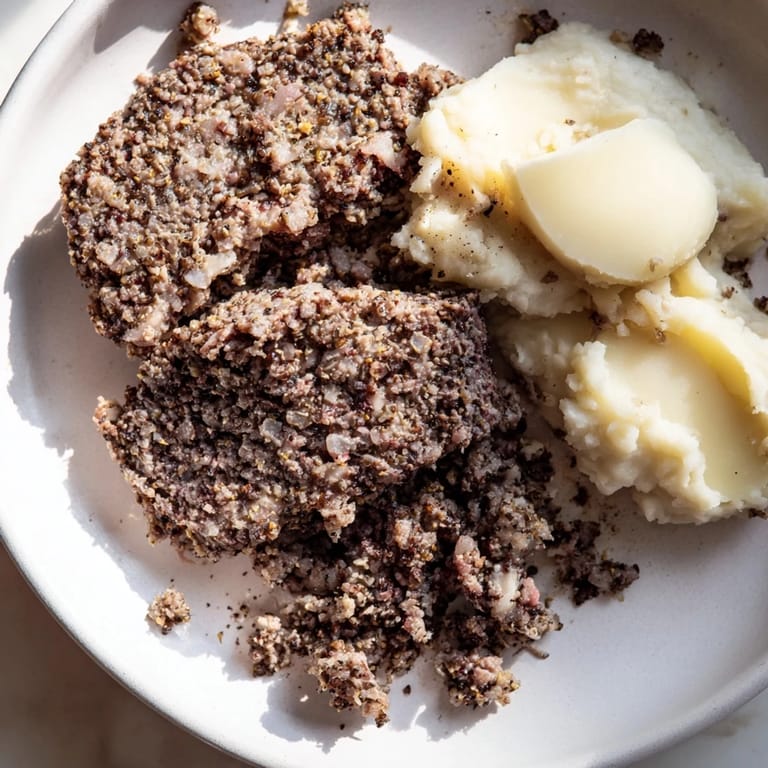
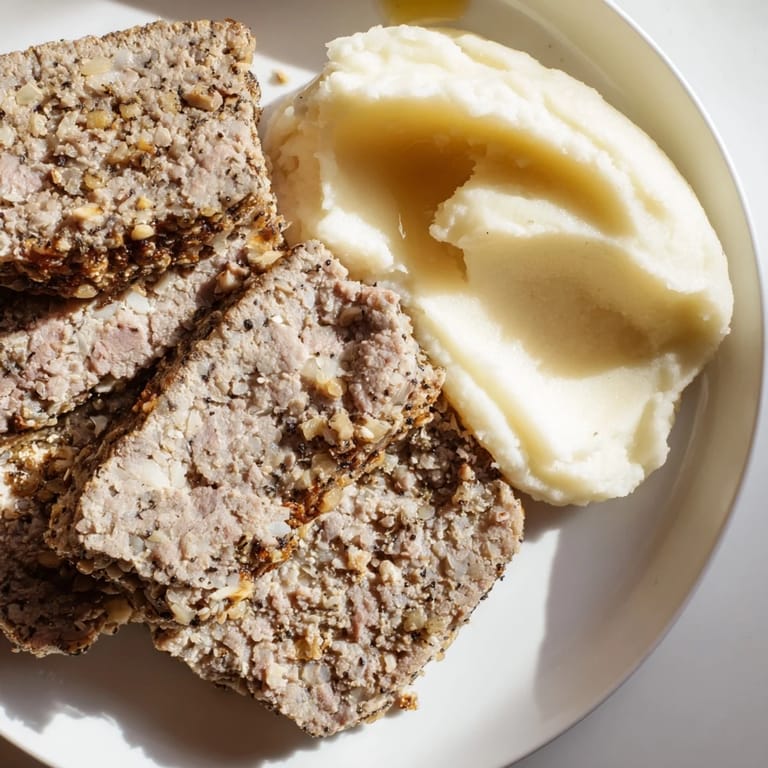
- When the haggis is done, carefully lift it from the water and let it rest for a few minutes so it firms up slightly. Slice it open right at the table if you're using a casing, or turn the pudding basin out onto a plate; serve it hot alongside the fluffy neeps and tatties.
 Pin It
 I remember standing in a Scottish kitchen on a winter evening, watching haggis steam in a pot while snow fell outside, and feeling this quiet sense of belonging to something much older than myself. The smell alone—that combination of spices and savory meat—seemed to connect me to every person who'd ever made this dish in a farmhouse or a tiny flat, all of us participating in the same ritual in our own way.
The Story Behind the Spices
The spice blend in haggis isn't random—it comes from centuries of Scottish cooks balancing what they had with what they wanted. The nutmeg and allspice give warmth and sweetness, the coriander adds a subtle brightness that cuts through the richness of the meat and suet, and the black pepper provides that sharp edge that keeps everything from feeling too heavy. When you smell these spices toasting in the offal, you're literally smelling history.
Why Texture Matters More Than You'd Expect
Haggis lives or dies by texture, and that's controlled by three things: how long you cook the offal, how finely you mince it, and how much liquid you add. Cook the offal too little and you'll have grainy, unpleasant bits; mince it too coarsely and it loses that unified, creamy consistency; add too much stock and it becomes porridge instead of pudding. The goal is something that holds together when you cut into it but has a rich, almost creamy interior that spreads slightly as it sits.
Neeps and Tatties: The Essential Counterpoint
Never underestimate the side dishes—the buttery sweetness of mashed turnips and the starchy comfort of mashed potatoes are what balance the intensity of the haggis itself. The turnips especially bring something almost fruity that cuts through the savory richness and resets your palate between bites. Boil them separately so each keeps its own character, and don't skimp on the butter when you mash.
- Taste the neeps and tatties as you mash them and season generously with salt and pepper—they should be delicious on their own.
- If you want to get fancy, you can fold in a little wholegrain mustard into the turnips for extra brightness.
- Some people add a pinch of nutmeg to the potatoes, which echoes the haggis's spice profile beautifully.
 Pin It
 Haggis asks you to be brave in the kitchen and at the table, and then it rewards that bravery with something genuinely delicious and memorable. It's one of those dishes that teaches you something about yourself—and about food—every time you make it.
Recipe Questions & Answers
- → What meats are used in traditional Scottish haggis?
Traditional haggis includes sheep's heart, liver, and lungs, sometimes combined with lamb or beef mince for texture.
- → How long should haggis be cooked?
Haggis is gently simmered in a casing or pudding basin for about two hours to ensure thorough cooking and depth of flavor.
- → What are neeps and tatties?
Neeps are turnips (or swede/rutabaga), and tatties are potatoes; both are peeled, boiled, and mashed as traditional side dishes.
- → Can haggis be prepared without offal?
Yes, for a milder taste, offal can be replaced with a blend of beef and lamb mince, or pulses and mushrooms for a vegetarian option.
- → What seasonings enhance haggis flavor?
Typical seasonings include ground black pepper, coriander, nutmeg, allspice, and salt for a balanced and aromatic profile.