 Pin It
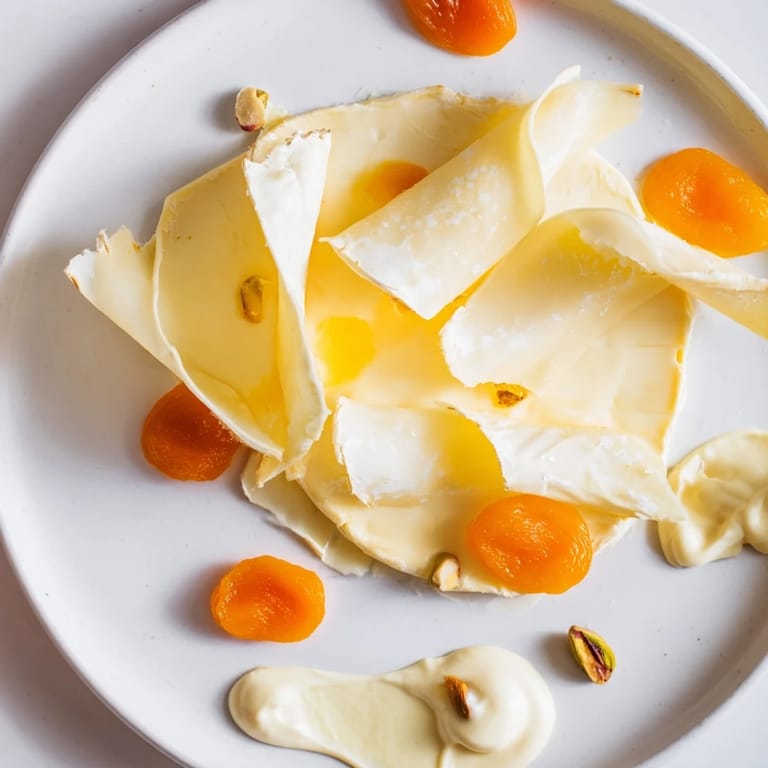
 There's something about the color gold that makes people lean in closer. I learned this while arranging a cheese board for my sister's engagement party, when I decided on a whim to dust the brie with saffron threads. What started as a simple appetizer became the centerpiece everyone photographed before eating. The soft, flowing spreads caught the light in a way that felt almost intentional, like I'd planned something far more sophisticated than I actually had. That's when I realized the most elegant entertaining doesn't require complexity—just confidence in beautiful basics and a willingness to let textures and colors do the talking.
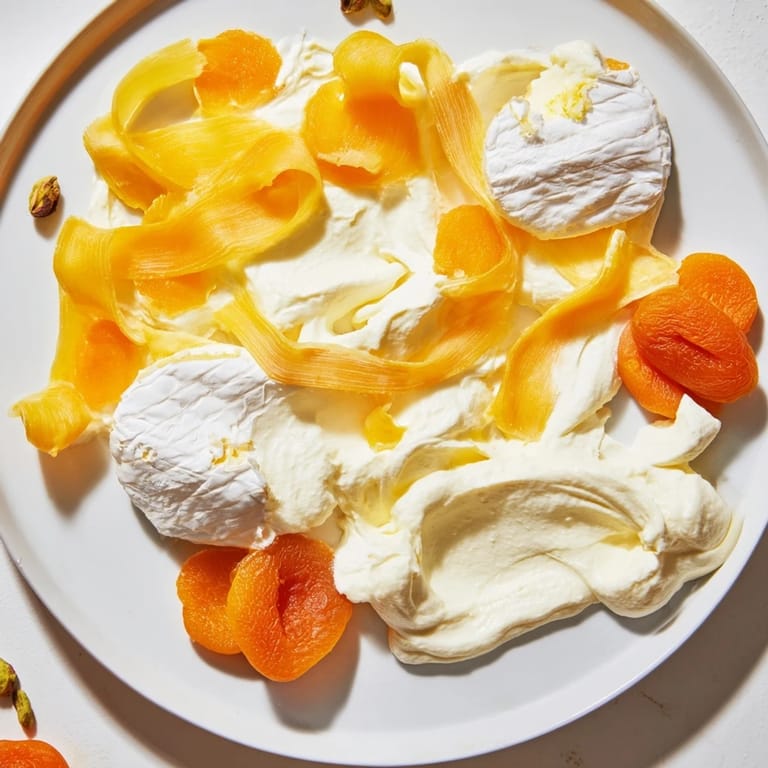
My neighbor dropped by during setup and watched me swoosh the ricotta across the board with the back of a spoon. She asked if I'd taken a plating class. I hadn't—I was just moving things around until it looked like silk, and somehow that honesty made her smile. She stayed for the party, and I remember her standing with a small plate, saying something about how good food tastes better when it looks like someone actually cared. That comment stuck with me more than any compliment about the flavors.
Ingredients
- Triple cream brie (150 g, lightly tinted with saffron or turmeric): This is your base—soft, forgiving, and the perfect canvas for color. Saffron threads give it a luxe glow; turmeric works too but go easy or it tastes bitter.
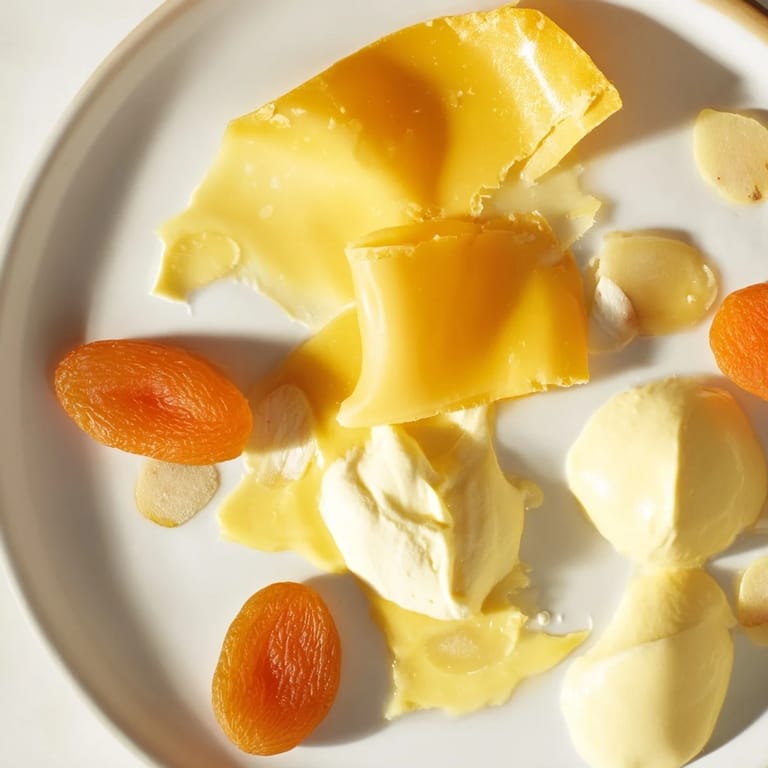
- Aged gouda (120 g, sliced thin): The thin slices catch light and create delicate layers that feel more refined than thick chunks.
- Fontina (100 g, room temperature, cut into ribbons): Ribbons over cubes feel more intentional and drape beautifully across the spreads.
- Mimolette (80 g, shaved): Those little shavings add texture and a subtle nuttiness that makes people ask what it is.
- Whipped ricotta blended with saffron threads (100 g): This is the golden thread holding everything together visually and flavor-wise.
- Honeyed mascarpone (80 g): Sweetness against savory cheese is what makes people come back for another bite.
- Lemon curd (60 g, optional): A small bowl of this adds another dimension and a reason to use it sparingly, like you're sharing something special.
- Baguette slices (1 small baguette, thinly sliced): Thin slices are easier to load and more elegant looking.
- Seed crackers (80 g): These stay crisp longer and add a textural contrast that plain crackers miss.
- Dried apricots (1/2 cup, halved): Sweet, chewy, and they echo the golden tones of everything else on the board.
- Roasted salted pistachios (1/4 cup): These bring a salty crunch that prevents the board from feeling one-note and sweet.
Tired of Takeout? 🥡
Get 10 meals you can make faster than delivery arrives. Seriously.
One email. No spam. Unsubscribe anytime.
Instructions
- Start with the canvas:
- Pour both the saffron ricotta and honeyed mascarpone onto your platter in soft, swooping motions using the back of a spoon or offset spatula. Don't overthink it—let the spreads pool naturally with irregular edges. This is where the board goes from looking like a snack to looking like art.
- Layer in the cheeses:
- Drape the fontina ribbons, arrange the gouda slices, and distribute the mimolette shavings in curves that echo the spreads underneath. Let edges overlap and touch the creamy elements; the colors will blend slightly, which is exactly the goal. Work around the platter in gentle arcs rather than straight lines.
- Nestle the lemon curd:
- If using it, place a small spoon or leave it in a tiny bowl off to the side, then swirl a little directly onto the platter where it looks good. This adds visual depth without overwhelming the other flavors.
- Scatter the accompaniments:
- Distribute baguette slices, crackers, apricot halves, and pistachios around the cheeses and spreads, filling gaps and creating movement across the board. Step back and look at the balance of colors and textures before you call it done.
- Rest and serve:
- Bring everything to room temperature if it isn't already, then serve immediately so the cheeses are soft enough to spread easily. A cheese board is at its best in those first 20 minutes.
 Pin It
 A friend who usually skips cheese told me later that she tried the saffron ricotta on a cracker and it changed her mind about what she thought she liked. Those small moments—when someone discovers something unexpectedly beautiful about food—are what this board is really about.
The Golden Color Philosophy
Color on a cheese board is like a whisper that makes people listen. The moment you introduce saffron or turmeric, suddenly every element on the platter feels intentional, connected, harmonious. The deep yellow of aged gouda, the pale cream of the brie, the warm tones of the apricots—they're all having a conversation about warmth and light. This isn't about being precious; it's about noticing that when ingredients look good together, they taste better because you're paying attention to them.
Building Texture Through Contrast
A cheese board that's all soft and creamy gets boring fast. The crisp seed crackers, the slight crunch of pistachios, the chewy apricots—they're not just accompaniments, they're the rhythm that keeps people interested. Thin slices and ribbons of cheese feel more elegant than chunks, and shavings add visual complexity without heaviness. When you arrange these elements deliberately, you're inviting people to explore different combinations rather than just eat randomly.
Serving and Pairing Without Overthinking
The best cheese boards are the ones that feel effortless, even if they took a few minutes to arrange. Pair this with a dry white wine like Sancerre or a sparkling Prosecco if you want tradition, or just serve it with sparkling water and let the cheeses speak for themselves. If you're feeling playful, add edible flowers or microgreens to whatever negative space is left—they'll catch light just like the cheeses do. A large platter matters more than matching your dishware; spacing gives each element room to shine.
- If the room is warm, bring the cheeses out last so they don't soften too quickly.
- A small spoon resting in the lemon curd gives people permission to use it generously.
- Keep a soft cheese knife nearby for spreading and another for slicing so textures don't muddy together.
 Pin It
 A good cheese board is an invitation to slow down and taste things carefully. It's also proof that elegance doesn't require stress—just presence and maybe a little gold.
Recipe Questions & Answers
- → How can I achieve the yellow tint in the cheeses?
Lightly infuse triple cream brie with a pinch of saffron threads or a small amount of turmeric for a natural yellow tint without overpowering the flavor.
- → What is the best way to arrange the cheeses and spreads?
Use a spoon or offset spatula to create soft, flowing patterns with whipped spreads, then arrange cheeses in overlapping ribbons and curves for a silky, artistic presentation.
- → Can I substitute the accompaniments for dietary needs?
Yes, plant-based cheeses and coconut-based spreads work well for vegan options, and gluten-free crackers can replace baguette slices for gluten sensitivity.
- → What wine pairs nicely with this board?
Dry white wines like Sancerre or sparkling Prosecco complement the creamy and nutty notes of the cheeses and spreads beautifully.
- → How should the board be served temperature-wise?
Serve cheeses and spreads at room temperature to enhance creaminess and flavor, ensuring an ideal texture and taste experience.