 Pin It
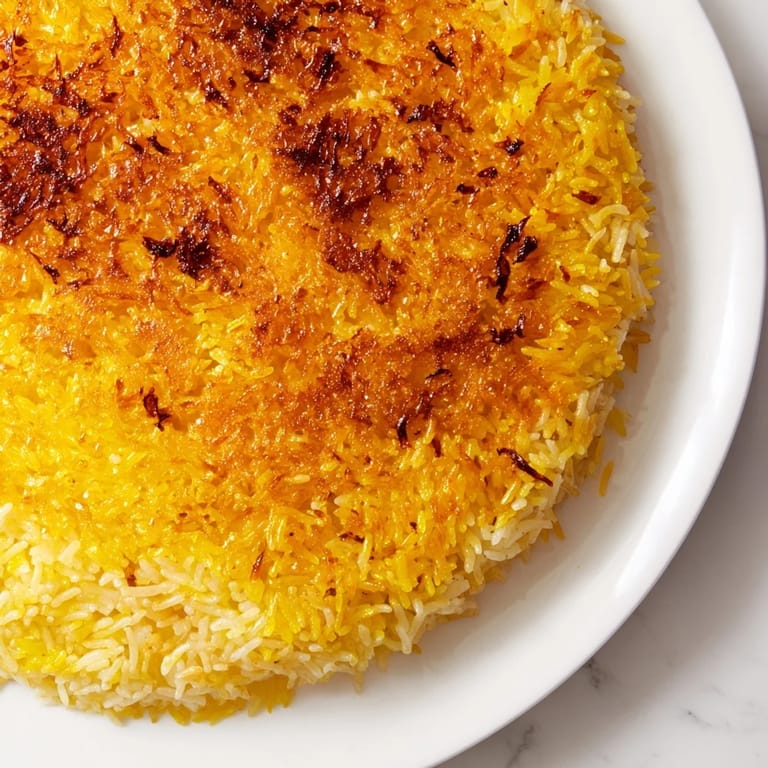
 The first time I truly understood the magic of tahdig was when my neighbor invited me over and lifted the pot lid to reveal this burnished, crackling golden crust that shattered between my teeth like brittle candy. I'd eaten rice my whole life, but never rice that sang. That moment changed everything about how I approached cooking—suddenly, the bottom of the pan wasn't just where food touched heat; it was where transformation happened. Now whenever I make this Persian classic, I'm chasing that same revelation, that moment when someone's eyes widen as they taste the crispy, caramelized treasure beneath the fluffy rice.
I made this for my sister's potluck last spring, and she actually gasped when I inverted the pot at the table. The tahdig crackled as it hit the platter, and someone asked for the recipe before we'd even sat down to eat. What I loved most wasn't the compliments, though—it was watching people slow down mid-conversation to savor each bite, suddenly aware of the texture and flavor in a way they hadn't been before.
Ingredients
- Basmati rice (2 cups): You need basmati for its long grains and delicate flavor; it won't turn mushy and holds that fluffy texture even after steaming. Rinse it obsessively until the water runs clear—this removes excess starch and prevents gumminess.
- Salt (1 tablespoon for soaking): Salting the soak water seasons the rice from the inside and helps it cook more evenly.
- Saffron threads (1/4 teaspoon): This tiny amount perfumes the whole dish with something almost floral; don't skip it or use powder, which tastes dusty.
- Hot water (2 tablespoons for saffron): Steeping saffron in hot water releases its color and aroma in a way cold water never will.
- Plain Greek yogurt (4 tablespoons): This is the binding magic that creates the tahdig crust; it caramelizes into something rich and complex that plain oil never achieves.
- Vegetable oil and unsalted butter (2 tablespoons each): The oil gets hot enough to crisp, while butter adds flavor and helps brown the tahdig layer.
- Ground turmeric and black pepper (1/2 teaspoon each): These are optional but add warmth and subtle color to the rice; turmeric especially echoes Persian kitchen traditions.
Tired of Takeout? 🥡
Get 10 meals you can make faster than delivery arrives. Seriously.
One email. No spam. Unsubscribe anytime.
Instructions
- Rinse and soak the rice:
- Run cold water over the rice in a fine sieve, stirring gently with your fingers until the water runs clear like tap water instead of milk. This takes patience but makes a real difference. Soak it in salted water for at least 30 minutes—the grains will plump slightly and cook more evenly.
- Parboil until just tender:
- Bring a big pot of water to a rolling boil, add the drained rice, and cook for only 5–6 minutes; you want it tender but still with a slight firmness in the center. Drain immediately so it stops cooking.
- Wake up the saffron:
- Grind the threads with the back of a spoon and steep them in hot water for 10 minutes until the water turns deep amber and smells like autumn spice.
- Build the tahdig base:
- In a bowl, mix the yogurt with a tablespoon of that golden saffron water, add turmeric if you like, then fold in about 1 cup of the parboiled rice. This mixture is your crust-to-be; it will caramelize into something crispy and complex.
- Heat the pan:
- Warm the oil and melted butter together over medium heat in your pot until it shimmers and smells rich and ready. You want it hot enough to make the yogurt mixture sizzle slightly when it hits the pan.
- Spread the crust layer:
- Pour the yogurt-rice mixture evenly across the bottom of the pot, pressing it gently so it sits in a single layer. This is your foundation for the crispy magic to come.
- Layer and season the rest:
- Gently mound the remaining rice over the yogurt layer, drizzle the rest of the saffron water across the top, and use a wooden spoon handle to poke a few steam holes. These little holes let moisture escape so the rice steams rather than boils.
- The critical steam phase:
- Cover the pot with the lid wrapped in a clean kitchen towel (this traps steam and moisture), start over medium heat for 10 minutes until you hear a gentle sizzle, then drop the heat to low and let it cook undisturbed for 35–40 minutes. This slow cooking is when the tahdig forms its crispy golden crust.
- Rest and reveal:
- Turn off the heat and let the pot sit for 5 minutes so the tahdig can finish crisping and everything can relax slightly. Then comes the thrilling part—carefully run a thin spatula around the edges and invert the whole pot onto a serving platter in one confident motion, so that burnished crust lands on top like a crown.
 Pin It
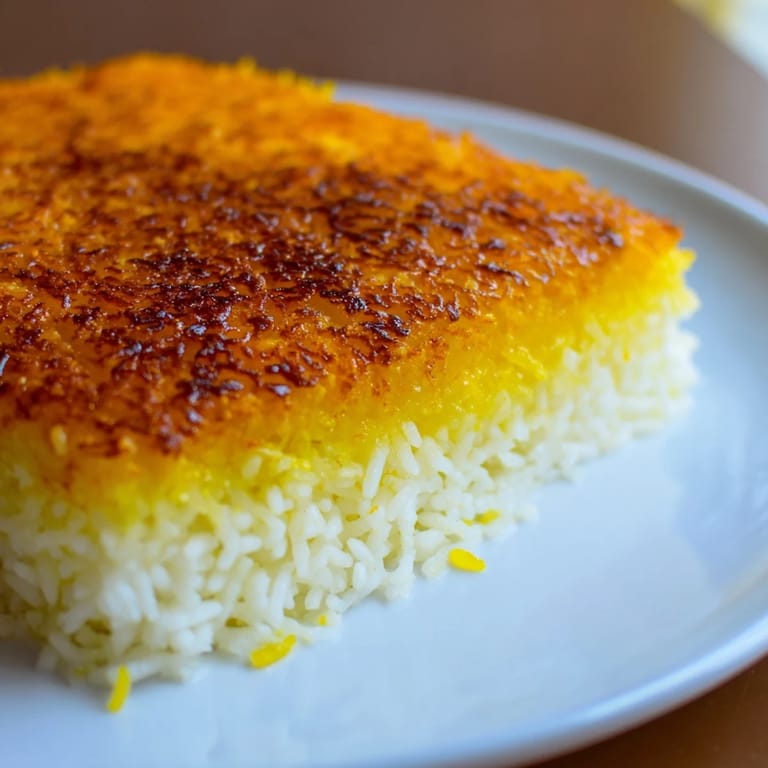
 There's a moment during that low-heat cooking when the kitchen fills with this toasty, nutty smell and you realize something magical is happening in that pot. That's the tahdig caramelizing, the yogurt and rice browning into something you couldn't create any other way, and it's the reason this dish became a celebration for me rather than just dinner.
The Art of the Tahdig
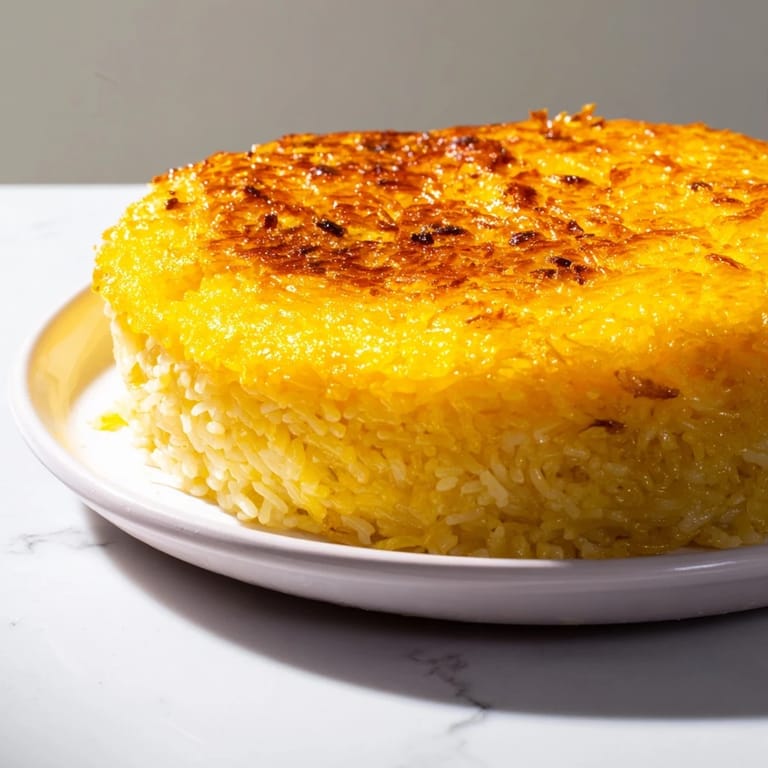
Tahdig translates to 'bottom of the pot' in Persian, and it's treated with the reverence it deserves. In Iranian households, people actually argue about who gets the biggest piece—it's crispy, slightly caramelized, a little salty, and it tastes like patience rewarded. The yogurt-rice mixture is what makes this version special; it caramelizes into something almost custard-like beneath the fluffy rice, and the contrast between that crispy bottom and the tender rice above is exactly the point.
Saffron: The Quiet Star
Saffron is expensive and precious, which is why only a tiny pinch transforms an entire pot of rice. Don't buy it already ground; threads unfold their flavor and color slowly when steeped in hot water, and you can actually see the amber bloom across the liquid. That visual alone is worth the splurge, and the aroma that fills your kitchen is a reminder that you're making something intentional and special.
Serving and Variations
Serve this tahdig rice while the crust is still crackling—it loses some magic once it cools. This dish shines alongside braised lamb, roasted chicken, or even simple grilled vegetables. For variations, you can replace the yogurt-rice layer with thinly sliced potatoes or flatbread; both will crisp up beautifully and take on the same caramelized charm.
- Garnish with barberries, fresh herbs like dill or parsley, or even a sprinkle of pomegranate seeds for brightness and color.
- Add a cinnamon stick or cardamom pods to the boiling water if you want deeper, warmer notes in the rice.
- Make sure your pot is truly heavy-bottomed; thin pans will scorch the tahdig before it can crisp properly.
 Pin It
 This dish is proof that the most impressive meals don't require stress or complicated techniques; they require intention, good ingredients, and a willingness to wait for the magic to happen at the bottom of the pan. Once you've made it once and tasted that first bite of crispy tahdig, you'll find yourself making it again and again.
Recipe Questions & Answers
- → What is tahdig?
Tahdig is the golden, crispy layer of rice formed at the bottom of the pot during cooking, prized for its texture and flavor.
- → How is the crispy crust achieved?
A mixture of yogurt, saffron, and turmeric combined with partially cooked rice is spread at the pot's base and cooked on low heat to caramelize and crisp.
- → Can I use other types of rice?
Basmati rice is preferred for its fragrance and texture, but other long-grain varieties can work with adjustments in soaking and cooking time.
- → What role does saffron play?
Saffron adds a subtle aromatic flavor and a vibrant golden color to the tahdig and rice.
- → Are there alternatives to yogurt in the crust layer?
Yes, thinly sliced potatoes or flatbread can be layered to form the tahdig crust instead of yogurt-rice mixture.
- → How do I prevent the tahdig from sticking too much?
Using enough oil and butter in the pot and cooking over low heat helps create a crunchy crust without excessive sticking.