 Pin It
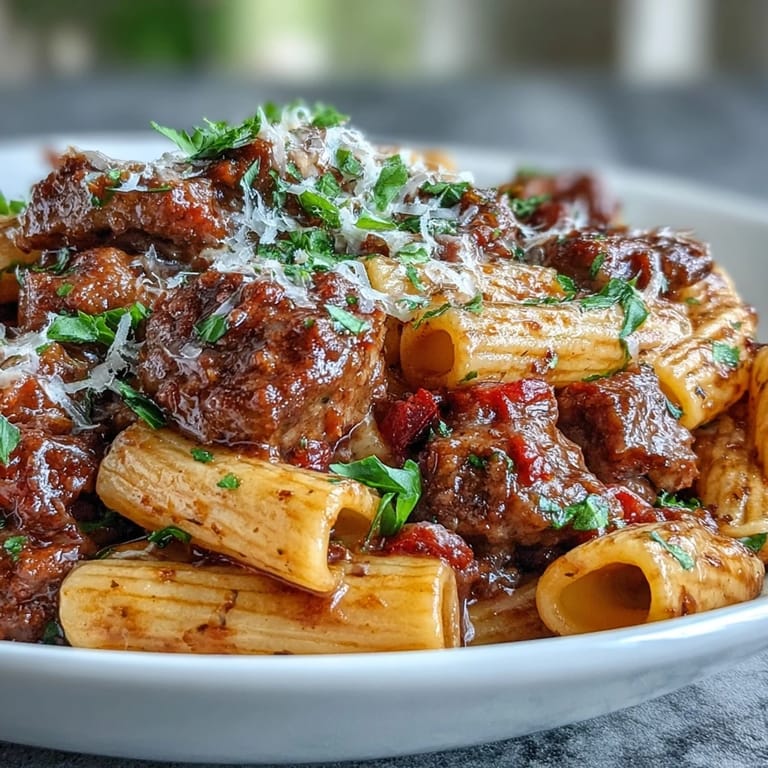
 There was a Wednesday night when my partner came home exhausted, and I had exactly thirty-five minutes to turn dinner into something that felt like a hug on a plate. I opened the pantry, spotted a bottle of red wine meant for sipping, and thought: why not throw everything into one pot? That one-pot creamy red wine sausage pasta was born out of necessity and a little kitchen intuition, and it's been my go-to ever since whenever I need comfort without the stress.
I made this for a small dinner party on a rainy autumn evening, and my friend kept circling back to the pot to steal spoonfuls of sauce while I was plating. She asked if I'd been cooking all day, genuinely shocked when I told her it took thirty-five minutes total. That moment sealed it for me—this dish delivers restaurant-quality comfort without demanding hours of your life.
Ingredients
- Italian sausage (300 g): The backbone of this dish; I prefer spicy for a little heat, but mild works beautifully if you're sensitive to spice or feeding a mixed crowd.
- Yellow onion (1 medium): Chopped fine so it softens into the sauce rather than staying chunky—this is where the sweetness comes from.
- Garlic (3 cloves): Mince it finely and add it after the onion softens, otherwise it can turn bitter in the hot pan.
- Red bell pepper (1): Adds brightness and a slight sweetness that balances the wine and meat.
- Canned crushed tomatoes (400 g): The acidity here cuts through the richness of the cream and wine beautifully.
- Penne or rigatoni (300 g): Uncooked pasta goes straight into the pot, absorbing all that flavorful liquid as it cooks.
- Dry red wine (120 ml): Use something you'd actually drink; cheap wine tastes cheap in the final dish, and the alcohol cooks off leaving only flavor.
- Low-sodium chicken broth (750 ml): This becomes your cooking liquid for the pasta, infusing every bite with savory depth.
- Soy sauce (2 tbsp): A secret weapon that amplifies umami without making the dish taste Asian—it just makes everything taste more like itself.
- Heavy cream (120 ml): Stirred in at the end to make the sauce silky and coat the pasta evenly.
- Oregano and basil (1 tsp and ½ tsp): Dried herbs work perfectly here since they have time to bloom in the liquid.
- Red pepper flakes (¼ tsp optional): A gentle heat that doesn't overpower; add more if you love spice or skip entirely if you prefer mild.
- Parmesan cheese (30 g) and fresh herbs: The finish that makes it feel special, adding sharpness and freshness to every forkful.
Tired of Takeout? 🥡
Get 10 meals you can make faster than delivery arrives. Seriously.
One email. No spam. Unsubscribe anytime.
Instructions
- Brown the sausage:
- Heat your large skillet or Dutch oven over medium-high heat and add the sausage, breaking it into small pieces as it cooks. You'll know it's ready when it's no longer pink and the edges are golden brown, which takes about three to four minutes.
- Build your aromatic base:
- Add the chopped onion and bell pepper to the rendered sausage fat, letting them soften for three minutes until they smell sweet and rich. Then stir in the minced garlic and cook for just one minute more—this is the moment where your kitchen starts smelling like something special.
- Deglaze with wine:
- Pour in the red wine and scrape the bottom of the pan with a wooden spoon, pulling up all those caramelized brown bits that are pure flavor. Let it simmer for two minutes so the harsh alcohol taste mellows out and you're left with just the wine's complexity.
- Combine everything:
- Add the crushed tomatoes, soy sauce, dried herbs, red pepper flakes if using, uncooked pasta, and chicken broth, stirring until everything is submerged and mixed together. This is when the one-pot magic happens—everything cooks together in harmony.
- Simmer to doneness:
- Bring the whole pot to a boil, then reduce the heat and cover it, letting it simmer for twelve to fourteen minutes. Stir occasionally and taste a piece of pasta around the twelve-minute mark; it should be tender but still have a slight bite to it, and most of the liquid should be absorbed.
- Add cream and finish:
- Stir in the heavy cream and simmer uncovered for another two to three minutes, watching as the sauce transforms into something silky and luxurious that coats every piece of pasta. Taste it now and adjust the salt and pepper—this is your moment to make it perfect.
- Serve with elegance:
- Top each bowl generously with grated Parmesan and fresh chopped basil or parsley, which adds a bright contrast to all that rich, warming sauce.
 Pin It
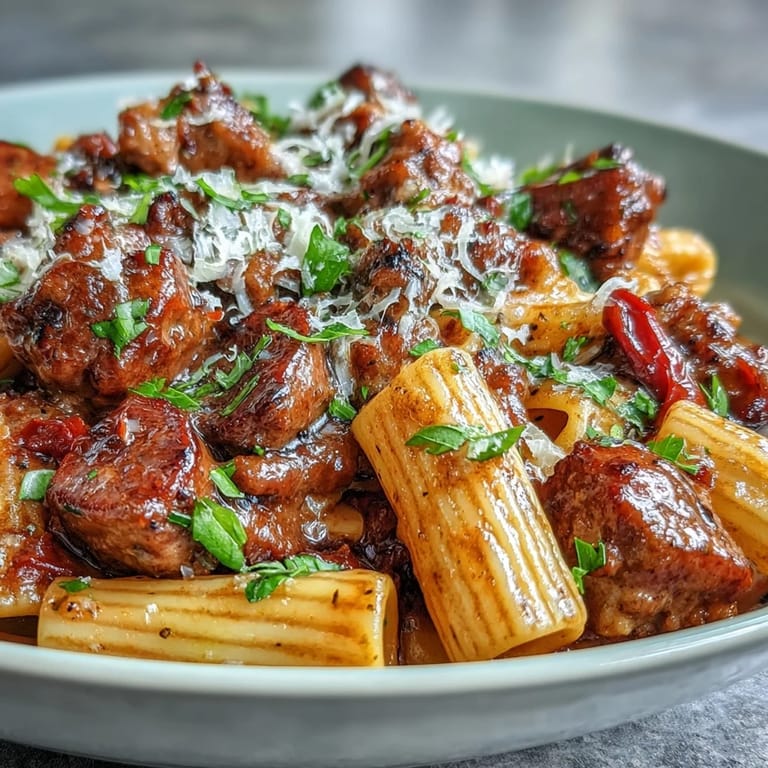
 Last winter, I made this dish for a friend who'd just moved to a new city and was feeling homesick. Watching her face light up with the first bite, seeing her visibly relax as she ate—that's when I realized this pasta isn't just dinner, it's comfort in edible form.
Why This Works as a One-Pot Wonder
The genius of cooking pasta directly in the sauce is that the starch from the pasta releases into the liquid, creating a naturally thicker, more cohesive sauce that clings to every piece. Unlike cooking pasta separately and draining it, you're not washing away the starch that actually helps bind everything together. The pasta also absorbs all the wine, broth, and spice flavors as it cooks, so every bite tastes intentional and complete.
Making It Your Own
This recipe is a foundation, not a rulebook, and I've experimented with it more times than I can count. Substitute turkey or chicken sausage if you prefer, use half-and-half instead of heavy cream for a lighter version, or swap the red wine for a full-bodied white wine if that's what's open. The beauty is that as long as you keep the core elements—sausage, tomato, wine, and cream—the dish stays delicious.
- Stir in fresh spinach or kale during the last minute of cooking for hidden greens that wilt perfectly into the sauce.
- A handful of mushrooms sautéed with the onion and pepper adds earthiness that deepens the whole dish.
- If you love heat, increase the red pepper flakes or add fresh chili peppers alongside the bell pepper for a different kind of kick.
What to Serve Alongside
A crusty bread is essential for soaking up every drop of that sauce, and a simple green salad with sharp vinaigrette cuts through the richness beautifully. If you're drinking wine, a medium-bodied red like Chianti or Merlot pairs wonderfully—it echoes the wine already in the dish and makes the whole meal feel intentional.
 Pin It
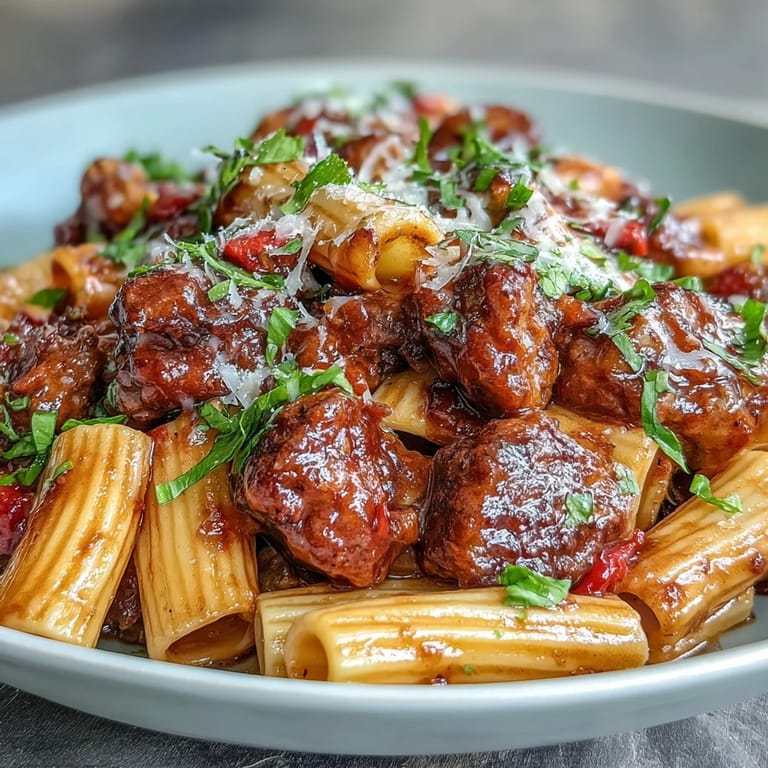
 This dish has saved countless weeknight dinners and impressed more people than I expected, all while keeping me out of a sink full of dishes. It's the kind of recipe that quietly becomes part of your regular rotation.
Recipe Questions & Answers
- → Can I use a different type of sausage?
Yes, you can substitute turkey sausage, plant-based sausage, or even mild Italian sausage if you prefer less heat. Just adjust the red pepper flakes accordingly to maintain your desired spice level.
- → What pasta shapes work best?
Penne and rigatoni are ideal because their ridges and tubes hold the creamy sauce well. Other short pasta like ziti, fusilli, or macaroni also work wonderfully in this dish.
- → Can I make this lighter?
Absolutely. Substitute half-and-half or light cream for heavy cream, and use turkey or chicken sausage instead of pork. You can also increase the vegetables for more bulk without added calories.
- → What red wine should I use?
Use a dry red wine you enjoy drinking—Chianti, Merlot, or Pinot Noir all work beautifully. Avoid sweet wines as they'll alter the flavor profile of the sauce.
- → How do I store and reheat leftovers?
Store in an airtight container in the refrigerator for up to 3 days. Reheat gently with a splash of broth or cream to restore the sauce's creamy consistency. The pasta will continue to absorb liquid, so you may need to add more when reheating.
- → Can I add vegetables to this dish?
Definitely. Spinach or kale can be added in the last 3 minutes of cooking. You can also include mushrooms, zucchini, or extra bell peppers when sautéing the onions for more vegetables.