 Pin It
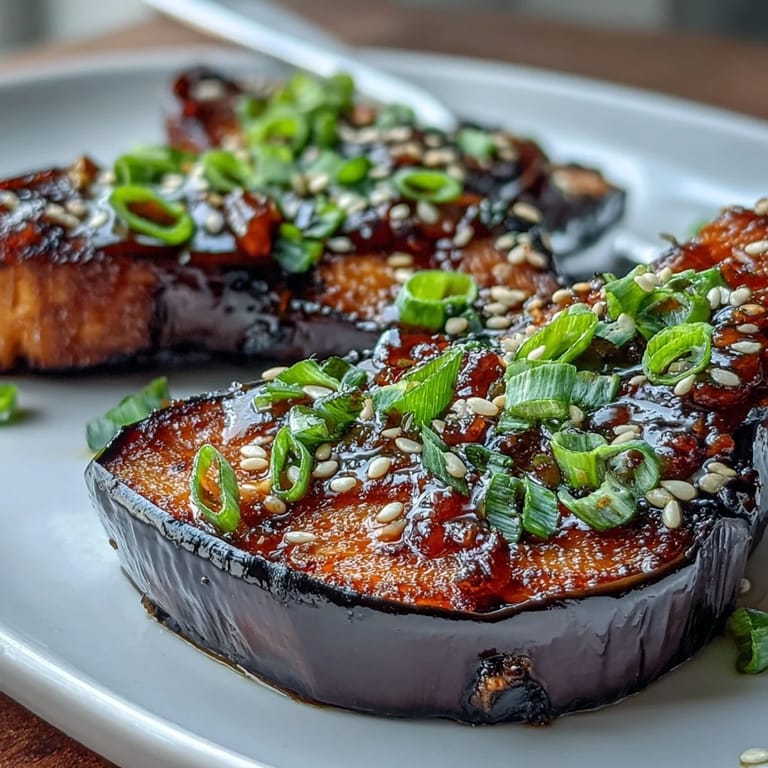
 The first time I smelled miso caramelizing under the broiler, I paused mid-dishwashing mesmerized by its nutty, savory sweetness wafting from the oven. Eggplant, usually just another humble vegetable in my crisper, takes on something special here: silky and smoky beneath that glossy, golden surface. Honestly, I learned to appreciate Japanese cooking by making messes and peeking at bubbling glazes—this recipe was one of my early happy accidents. Sometimes the kitchen feels like a quiet laboratory, especially when a side dish transforms an ordinary evening into something a bit more interesting. That particular night, I remember thinking, Why haven’t I always done this to eggplant?
I once brought a platter of these miso glazed eggplants to a backyard potluck held during the first warm breezes of spring. People hovered nearby while I garnished each piece, and someone reached for a slice before I’d even finished sprinkling the sesame seeds. We ended up eating with our fingers, glaze sticking to our smiles. Kitchen laughter always makes dishes taste even better. That gathering is still the gold standard for casual, joyful meals in my mind.
Ingredients
- Eggplants: Go for medium-sized eggplants—smaller ones have fewer seeds and roast more evenly; I always crosshatch the surface so the glaze can seep into every bite.
- White miso paste (shiro miso): This mild, slightly sweet miso gives the glaze a lovely balance, and dissolves easily for a smooth finish.
- Mirin: Adds gentle sweetness and shine; if you run out, a splash of rice vinegar and sugar does the trick in a pinch.
- Sake: Lends a layer of depth and savoriness—don’t worry, the alcohol evaporates while cooking.
- Sugar: Balances the salty-savoriness of the miso and encourages that beautiful caramelization under the broiler.
- Soy sauce: A dash rounds out the umami punch—substitute with tamari for gluten-free prep without losing flavor.
- Sesame oil: Brushing it on the eggplant before roasting intensifies the aroma and helps the flesh stay tender.
- Toasted sesame seeds: Just a sprinkle for crunch and a burst of nutty flavor on top.
- Green onions: Sliced thin for a pop of fresh color and a little bite that cuts through the rich glaze—my favorite finishing touch.
Tired of Takeout? 🥡
Get 10 meals you can make faster than delivery arrives. Seriously.
One email. No spam. Unsubscribe anytime.
Instructions
- Prep and Preheat:
- Start by setting your oven to 400°F (200°C) and lining a baking sheet with parchment—the goal is easy cleanup later.
- Score the Eggplant:
- With a sharp knife, gently etch a crosshatch pattern in the flesh of each eggplant half, watching the lines form a diamond grid—don’t cut through the skin.
- Oil and Arrange:
- Brush each cut side with sesame oil till it glistens, arrange eggplants cut side up on your lined tray, and listen for that soft sizzle as they hit the pan.
- Roast to Tender:
- Slide the tray in and roast for about 25 minutes, until the flesh turns golden at the edges and becomes buttery-soft when poked.
- Make the Glaze:
- While the eggplant roasts, stir together miso, mirin, sake, sugar, and soy sauce in a small pan over low heat until it turns glossy and thick enough to coat a spoon.
- Glaze the Eggplant:
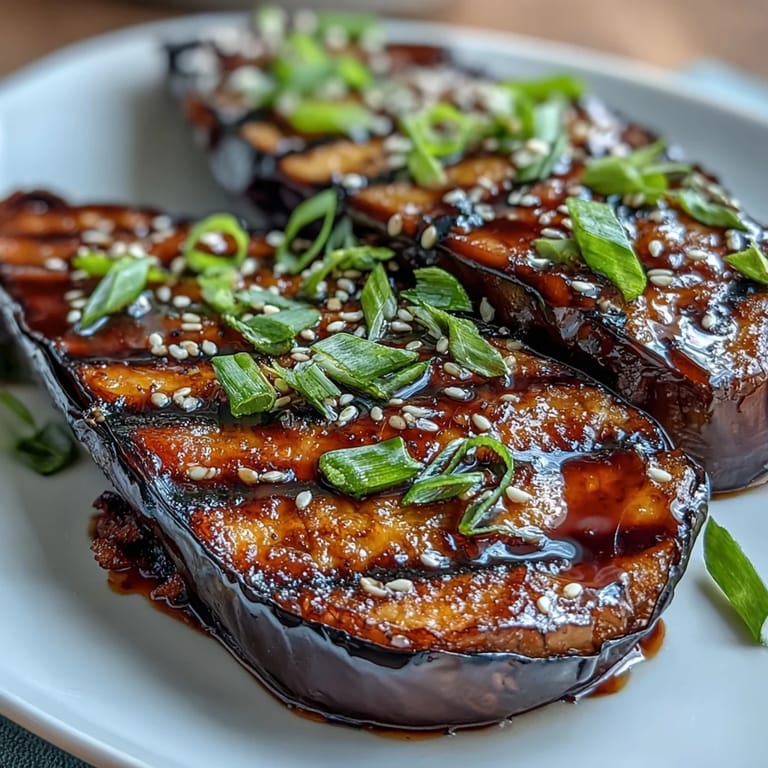
- Take the soft roasted eggplant, generously spoon the miso mixture over those crosshatched tops, and watch it glossy up instantly.
- Broil and Caramelize:
- Return the tray to the oven, broil on high for 3–5 minutes—stay close and peek in, since the glaze can go from golden to burnt quickly; when it bubbles and browns, you’re done.
- Garnish and Serve:
- Transfer to a platter, scatter with sesame seeds and green onion, and serve warm—ideally right away so the top stays crisp.
 Pin It
 Sometime last autumn, a friend who swore they disliked eggplant asked for seconds while scraping up stray glaze with a chopstick. Watching the surprise on their face, I realized this dish was more than a recipe—it was a little bit of kitchen magic, unfolding each time I shared it. Eating together, we didn’t even need a main course—just good company and that shimmering miso crust.
How to Choose the Best Eggplants
I’ve learned that fresher eggplants make all the difference—they should feel heavy for their size and have smooth skins with no soft spots. Give them a gentle press; they should bounce back, not leave a dent. When in doubt, smaller eggplants are usually less bitter and roast creamier. If you spot seeds when you cut them open, just scoop any excess before preparing. Rinse and pat dry to avoid excess moisture during roasting.
Making the Miso Glaze Ahead of Time
The glaze keeps happily in the fridge for a couple days, so sometimes I mix up a batch in advance for speedy weeknight dinners. Let it come to room temperature or give it a quick stir in a pan before using so it’s easier to spread. Try doubling the glaze and saving leftovers to brush on tofu or other veggies. If it thickens too much, add a teaspoon of water and whisk until smooth. Homemade glazes always feel like a secret weapon tucked away for when inspiration (or hunger) strikes.
Serving Suggestions and Customization Ideas
These eggplants are delicious with sticky rice, but I’ve also served them atop soba noodles or shredded into warm salads for a twist. Sometimes I sprinkle furikake or a hint of chili flakes for extra crunch or heat. Don’t hesitate to play—leftover miso glaze can elevate roasted carrots, sweet potatoes, or even grilled portobellos.
- Add a squeeze of lemon juice to brighten everything just before serving.
- If you like heat, a dab of chili paste in the glaze goes a long way.
- Always serve straight from the oven for the best texture and aroma.
 Pin It
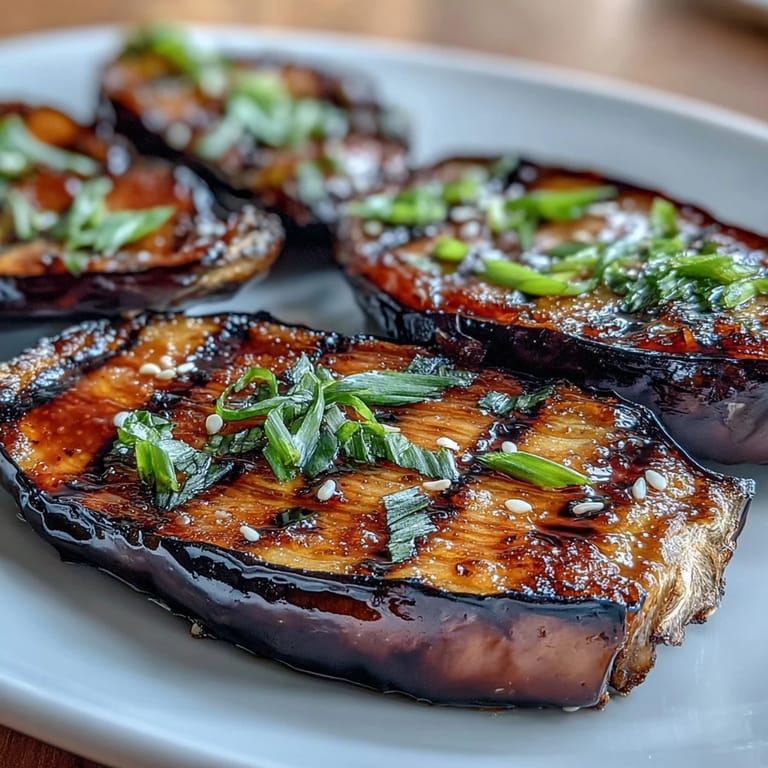
 Sharing miso glazed eggplant feels like passing on an edible secret—simple ingredients, richer flavor, and a whole lot of unexpected joy. I hope your kitchen smells as amazing as mine does every time I broil up a batch.
Recipe Questions & Answers
- → How do I choose the best eggplant?
Look for medium-sized eggplants that feel heavy for their size with smooth, unwrinkled skin. Smaller to medium fruits tend to be less bitter and have firmer flesh that holds up well when roasted.
- → How can I avoid soggy eggplant?
Score the flesh to help steam escape and roast cut side up on a lined sheet so excess moisture evaporates. Brushing with sesame oil helps promote browning rather than steaming.
- → Can I make the glaze vegan and gluten-free?
Yes. Use vegan-certified miso and replace sake or mirin with a rice vinegar and sugar mix if needed. Swap soy sauce for tamari to make the glaze gluten-free.
- → What’s the trick to a glossy, caramelized glaze?
Warm the miso mixture gently until smooth and slightly thickened—this concentrates sugars and ensures even caramelization under the broiler. Watch closely while broiling to prevent burning.
- → How should leftovers be stored and reheated?
Cool to room temperature, then refrigerate in an airtight container for up to 3 days. Reheat under a low oven or broiler briefly to refresh the glaze and warm through without softening excessively.
- → What are good serving ideas?
Serve over steamed rice or alongside other Japanese-inspired dishes. It also pairs well with grilled vegetables, pickles, or as part of a vegetarian spread.