 Pin It
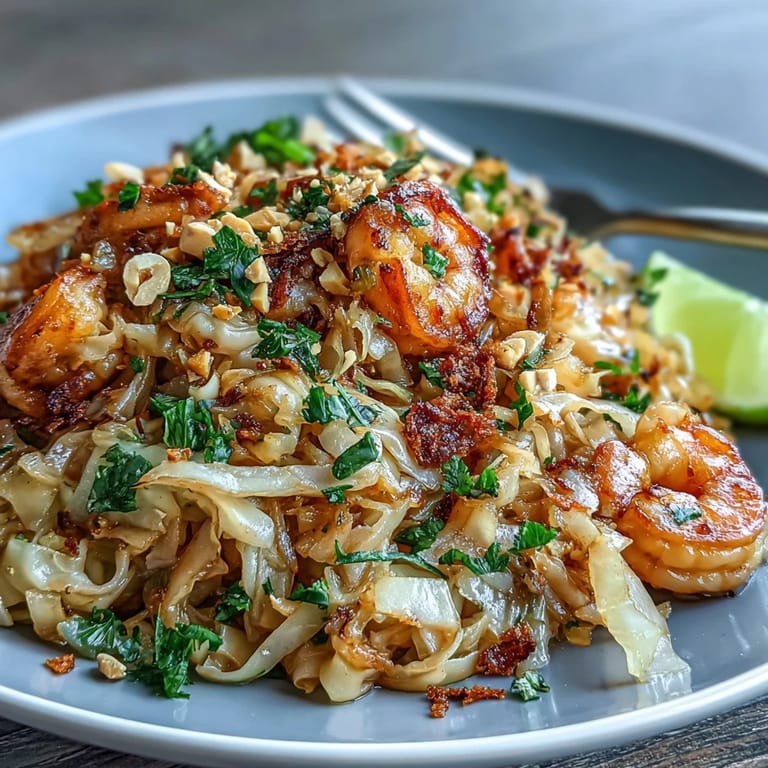
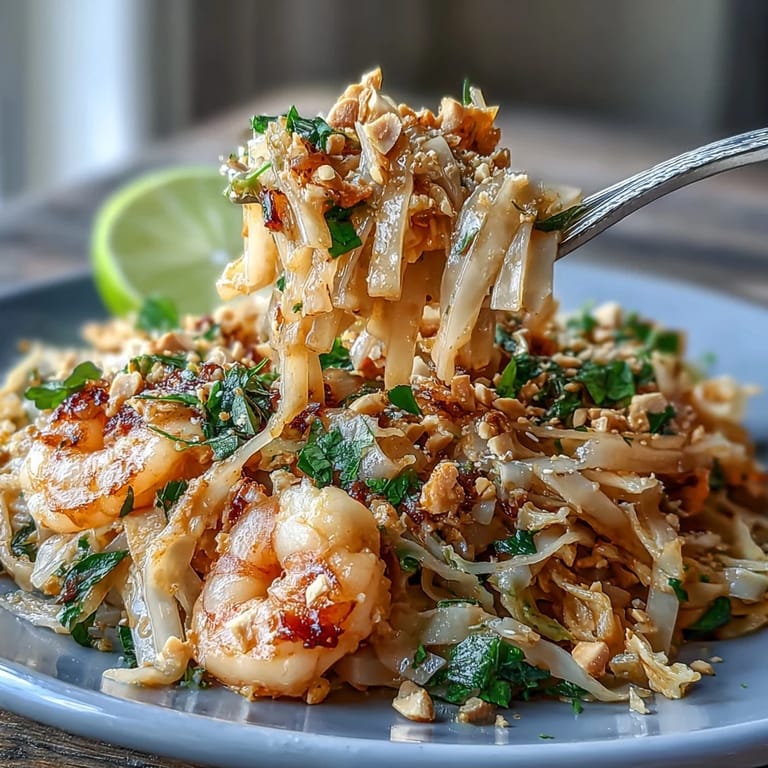
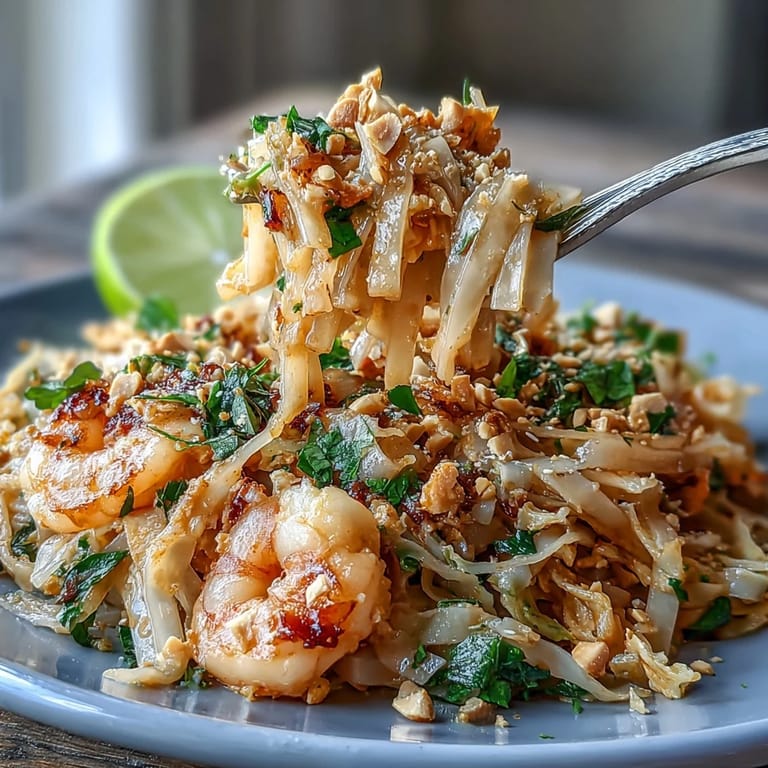
 The first time I swapped out rice noodles for cabbage in Pad Thai, the sizzling aroma caught even my skeptical neighbor peeking over the fence, and we ended up sharing both a bowl and a laugh about "noodle impostors." It was a spur-of-the-moment experiment, but the crunch and vivid colors pulled me right in. There’s something about watching ribbons of cabbage catch the glossy sauce that’s downright hypnotic, especially as the kitchen fills with garlicky, gingery steam. Each bite lands bright with lime and just enough heat to nudge you awake. I’ve come to enjoy this extra playful take whenever I crave a quick yet hearty bowl of comfort.
Last winter, after a long walk that ended with muddy boots and hungry friends, I tossed together this cabbage Pad Thai with leftover tofu and whatever veggies we had on hand. The kitchen filled up with chatter, clattering bowls, and quick debates over who got the last of the peanuts. That night, no one missed the noodles for a second. It was one of those perfectly casual evenings when no one needed an excuse to go back for seconds. Ever since, it’s been my go-to when I want serious flavor without fuss.
Ingredients
- Green cabbage: The backbone of this dish, its fine shredding soaks in the sauce and keeps every bite crunchy; try not to overcook or it’ll wilt.
- Carrot: Adds color and gentle sweetness—julienne with a sharp knife for the best texture.
- Red bell pepper: Brightens up the whole plate, and thin slices soften quickly without getting mushy.
- Scallions: Use both white and green parts; I slice them separately so I can scatter the greens fresh on top for a pop of flavor.
- Garlic: Just a couple of cloves go a long way; watch it closely so it doesn’t burn when sautéing.
- Fresh ginger: Grated ginger perfumes the whole stir-fry—peeling it with a spoon is far less fussy than a knife.
- Eggs: They bring body and richness to soak up all the flavors; scrambling them gently in the pan keeps things tender.
- Protein (chicken, shrimp, or tofu): Flex this part based on mood or diet—sliced tofu makes a silky yet satisfying veggie version.
- Tamari or soy sauce: The salty umami backbone; tamari is my pick for keeping things gluten-free.
- Fish sauce (or extra tamari): Adds deep savoriness, and if skipping it for a vegetarian turn, double-check your substitutes for that special punch.
- Lime juice: The acidity brightens everything—don’t skimp, and a few wedges on the side wake up leftovers, too.
- Unsweetened peanut butter: Blends into the sauce, making it creamy and grounding; smooth works best for mixing.
- Sweetener (erythritol, monkfruit, or honey): Keeps the sauce balanced; I taste and adjust based on which I use.
- Chili flakes or Sriracha: Stir in just enough for your spice preference; everyone has their own idea of "just right."
- Roasted peanuts: The crunch on top is non-negotiable; a quick chop helps them cling to each forkful.
- Fresh cilantro: A scatter of leaves lifts the whole meal with zingy, herbal notes—always add right at the end.
- Lime wedges: Serve plenty for squeezing over at the table; I’ve learned there’s no such thing as too much lime.
Tired of Takeout? 🥡
Get 10 meals you can make faster than delivery arrives. Seriously.
One email. No spam. Unsubscribe anytime.
Instructions
- Mix up the Pad Thai sauce:
- Stir together tamari, fish sauce, lime juice, peanut butter, sweetener, and chili or Sriracha in a bowl until smooth; the aroma instantly perks up your senses.
- Wake up your aromatics:
- Heat oil in your largest nonstick skillet or wok over medium-high and sauté garlic, ginger, and white scallions until everything smells amazing—don’t be surprised if someone wanders in to see what you’re making.
- Add the veggies:
- Slide in the shredded cabbage, carrot, and bell pepper; stir-fry so they just soften but still have bite, and marvel as the colors brighten and steam rises up.
- Scramble the eggs:
- Push veggies to the side, crack in eggs, and stir quickly until just set—then fold everything together so eggy ribbons run through the veg.
- Bring in the protein and sauce:
- Add your sliced protein of choice, drizzle over the sauce, and toss the lot so everything shines and steams together.
- Finish with toppings:
- Take off the heat and rain down chopped peanuts, green scallion slices, fresh cilantro, and lashings of lime—each new texture makes eating more fun.
- Serve and enjoy:
- Spoon out while hot and pile on extra toppings as you please; nothing beats that first squeeze of fresh lime over a full bowl.
 Pin It
  Pin It
 One night, sharing leftovers straight from the wok over the kitchen sink, a friend said this was the first time “healthy” food made her actually excited about dinner. It’s funny how a new twist on a classic can spark so much joy with just a handful of good ingredients. Somehow, it went from humble experiment to the kind of dish I make when I want to feed someone well—without fanfare, just a bit of fun and flavor.
What Changes Up the Texture (and Why It Matters)
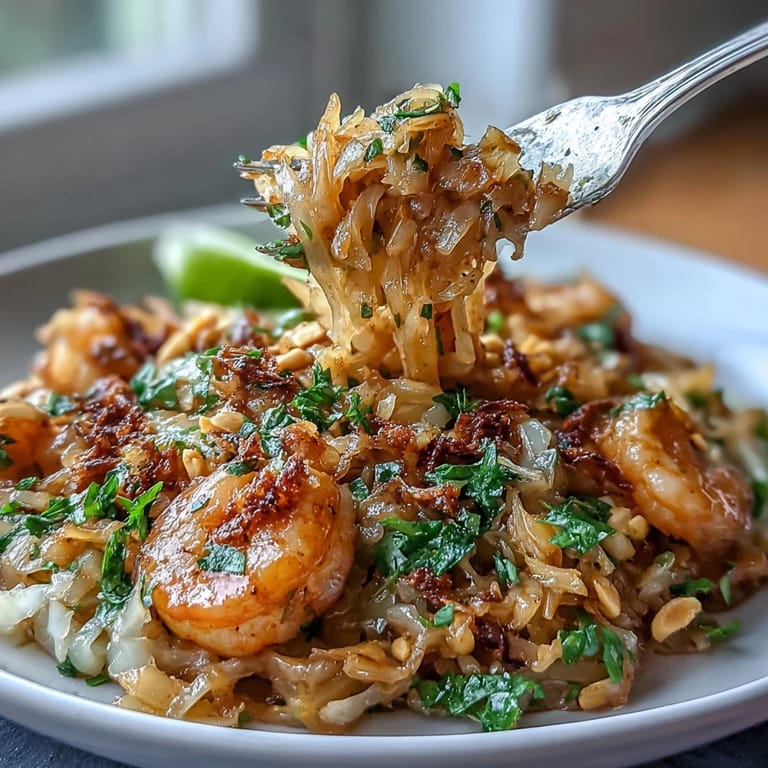
One lesson I learned is to slice the cabbage as finely as possible, almost noodle-thin, for a noodle-like twirl and crunch. If you’re in a rush and throw in rough chunks, everything gets a little clumsy and tangled in the pan. Uniform shreds cook up evenly and bring a springy texture that makes each forkful bounce. Switching between tofu, shrimp, or chicken shifts the whole personality of the dish, so I often mix up protein based on what’s leftover in the fridge. You’ll never get bored this way.
Make-Ahead and Storage Notes
This dish comes together so quickly, but the secret is prepping all the vegetables before you start heating your pan—line them up on a tray and your workflow becomes effortless. Leftovers taste surprisingly great cold or at room temperature, like a Pad Thai slaw if you’re in the mood for something different. If you want to reheat, a splash of lime and a quick toss on a hot pan revives everything. Avoid microwaving too long, or you’ll lose that satisfying crunch. Sometimes a handful of roasted peanuts on top fixes everything, even a slightly soggy second-day batch.
How to Switch Up Flavors Without Fuss
You can go wild with stir-ins: bean sprouts, snap peas, or a sprinkle of sesame seeds all bring something new each time I make this. Adjust the tang with more or less lime, and swap the sweetener for whatever’s on hand—I once used a drizzle of maple syrup and nobody guessed. Sometimes I double the ginger when I want extra zing; other days, I leave out the chili for my spice-shy guests. It’s all about reading the room and trusting your taste buds in the moment.
- Finish with a drizzle of toasted sesame oil if you want a deeper flavor at the end.
- Halve or double the recipe as needed, just keep the pan roomy enough to toss everything.
- Prepping toppings ahead (cilantro, peanuts, lime) means quick assembly at meal time.
 Pin It
  Pin It
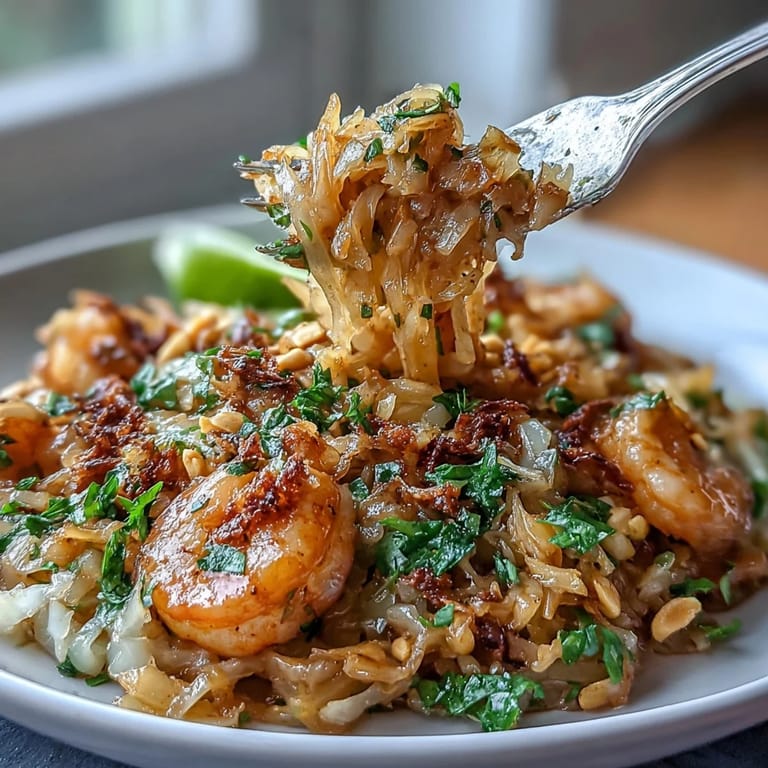
 Even on busy nights, making this Cabbage Pad Thai feels like an act of care—one plate and a tangle of vegetables transform into the kind of meal that leaves you full and cheerful. Enjoy the crunch, the color, and the freedom to make it your own every single time.
Recipe Questions & Answers
- → Can this be made vegetarian or vegan?
Yes. Use firm tofu in place of chicken or shrimp and replace fish sauce with extra tamari or a splash of tamari plus a touch of seaweed stock for umami. Omit eggs for a vegan version and increase tofu or add more vegetables for body.
- → How do I keep the cabbage crunchy?
Use high heat and stir-fry briefly—about 4–5 minutes—so the cabbage becomes tender-crisp. Avoid overcrowding the pan and add any salt or acidic ingredients at the end to preserve texture.
- → What protein works best and how to prepare it?
Cooked shredded chicken, peeled shrimp, or firm tofu all work well. If using tofu, press and pan-sear cubes until golden. Reheat pre-cooked proteins briefly in the wok with the sauce to avoid overcooking.
- → Any suggestions for nut-free options?
Swap peanut butter for sunflower seed butter or tahini and replace chopped peanuts with toasted pumpkin seeds or crispy fried shallots for crunch and depth without nuts.
- → How should leftovers be stored and reheated?
Cool quickly and store in an airtight container in the fridge for up to 3 days. Reheat gently in a skillet over medium heat with a splash of water or oil to revive texture, and finish with fresh lime and herbs.
- → Can I use regular rice noodles instead of cabbage?
Yes—use cooked rice noodles added at the end and toss with the sauce. Reduce added liquid slightly and warm the noodles just long enough to coat them without making them mushy.