 Pin It
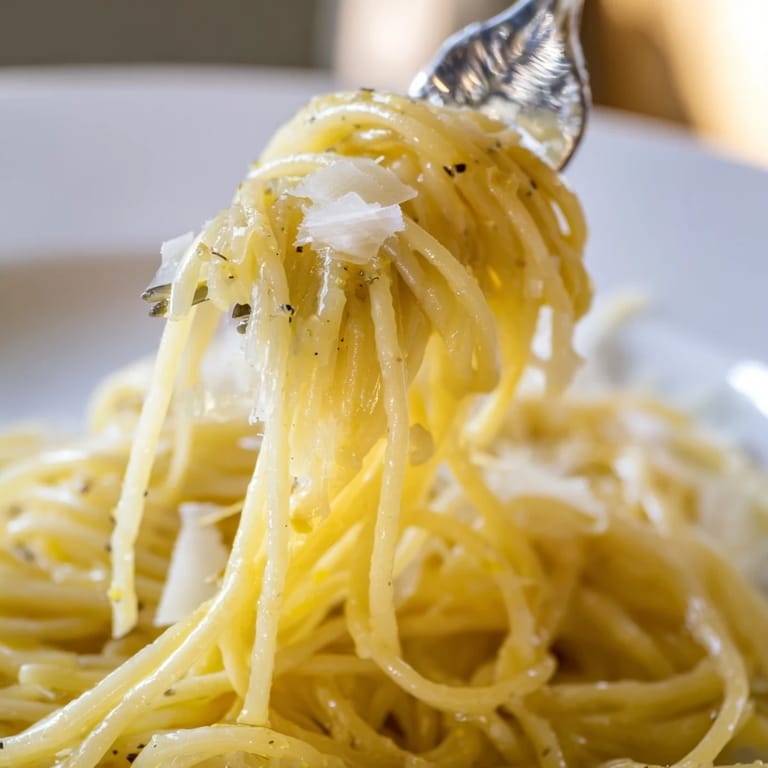
 There's a particular afternoon I can't quite shake from memory—one of those days when the kitchen felt too warm, my plans had fallen through, and I found myself staring at a nearly empty pantry. A box of capellini caught my eye, alongside a bowl of lemons that had been sitting on the counter a touch too long. Twenty minutes later, I had something so bright and alive on my plate that it felt like the day had completely turned around. That's when I learned that sometimes the simplest combinations—just butter, lemon, and pasta—can feel like the most genuine kind of cooking.
I made this for a friend who'd just moved into a new apartment, her kitchen still mostly boxes and confusion. She was convinced she couldn't cook anything proper without proper equipment, but I grabbed what little she had and we built this dish together in borrowed pans. Watching her face when she took that first bite—how her shoulders relaxed, how she actually smiled—that's when she realized cooking wasn't about having everything, it was about knowing what to do with almost nothing.
Ingredients
- Capellini (angel hair pasta): This delicate pasta is the heart of the dish, and at 350 grams for four servings, it keeps the whole thing feeling light and refined; cook it just barely until al dente or it'll turn into something closer to soup.
- Unsalted butter: Sixty grams might seem modest, but it creates the foundation for that silky sauce, and using unsalted lets you control the seasoning completely.
- Fresh lemons: You need both the zest and juice here—the zest adds those tiny bursts of brightness throughout, while the juice creates the sauce itself, so pick lemons that feel heavy for their size.
- Extra-virgin olive oil: This adds body and richness without making anything heavy; it's what keeps the butter from feeling too rich on its own.
- Parmesan cheese: Freshly grated makes all the difference because pre-grated versions have anti-caking agents that prevent them from melting smoothly into the sauce.
- Fresh parsley: The green at the end isn't just decoration—it brings a peppery freshness that keeps everything from tasting one-note.
Tired of Takeout? 🥡
Get 10 meals you can make faster than delivery arrives. Seriously.
One email. No spam. Unsubscribe anytime.
Instructions
- Get your water boiling and pasta going:
- Fill a large pot with water, add a tablespoon of salt so it tastes like the sea, and let it come to a rolling boil before adding the capellini—this takes maybe 5 minutes but it's crucial because the pasta needs genuinely hot water to cook evenly. Set a timer for whatever the package says, but start checking at 2 minutes because angel hair can go from perfect to mushy in seconds.
- Build the sauce while pasta cooks:
- Melt the butter in a large skillet over medium heat—you want it foaming gently, not browning—then add the olive oil, lemon zest, and lemon juice all at once. Let it warm through for a minute or two, and your kitchen will suddenly smell like a lemon grove; this is the moment you'll know you're on the right track.
- Marry the pasta and sauce:
- Drain your pasta but keep that cooking water close—it's liquid gold because it's starchy and will help create that silky coating. Toss the hot capellini directly into the skillet with the lemon butter, and start adding pasta water bit by bit while tossing constantly, until you have a glossy sauce that coats every strand without pooling at the bottom.
- Finish with confidence:
- Take the skillet off the heat, then stir in the grated Parmesan and chopped parsley gently so the cheese melts into the sauce rather than clumping. Taste it, adjust the salt and pepper—remember you've got Parmesan contributing saltiness—and serve immediately onto warm plates.
 Pin It
 This dish has become what I make when someone needs feeding but also needs reminding that food can be simple and still feel like love. There's something about the combination of lemon and butter that makes people pause mid-conversation and actually pay attention to what they're eating.
The Lemon Question
People often ask if bottled lemon juice works here, and technically yes, it will make pasta edible. But using fresh lemons creates something entirely different—the juice is brighter, the zest has complexity, and you're not fighting through any metallic undertones that bottled juice can carry. If you're making this dish at all, the lemons are worth the two minutes it takes to zest and juice them properly.
Customizing Your Bowl
While this pasta is absolutely perfect as written, I've learned over time that it's genuinely forgiving about additions. A handful of grated zucchini tossed in during the last minute adds texture without weight, fresh mint instead of parsley changes the entire mood, and a pinch of red pepper flakes brings a warmth that makes people ask what you did different. The base is strong enough that you can play with it without breaking anything.
Making It Feel Special
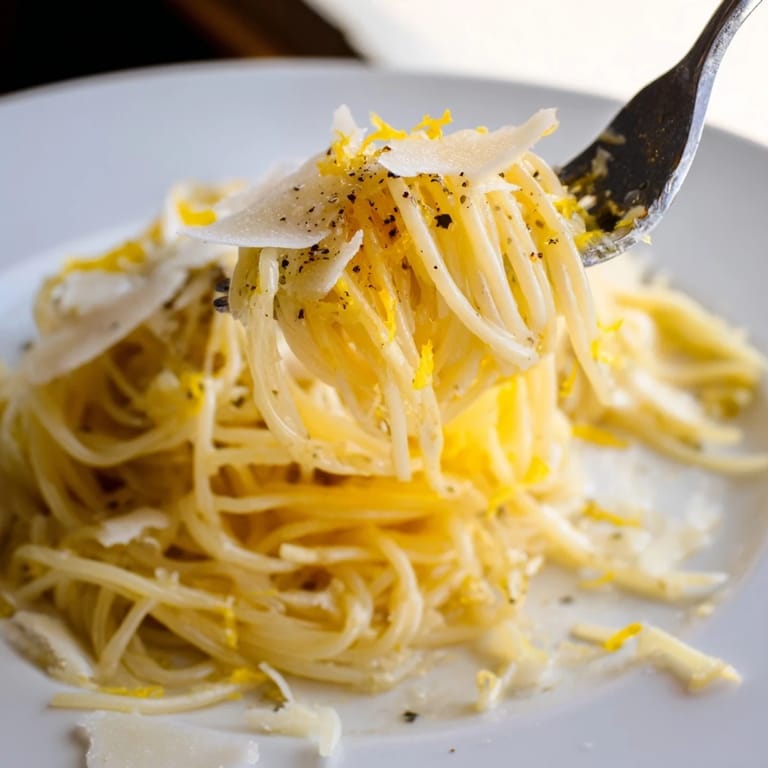
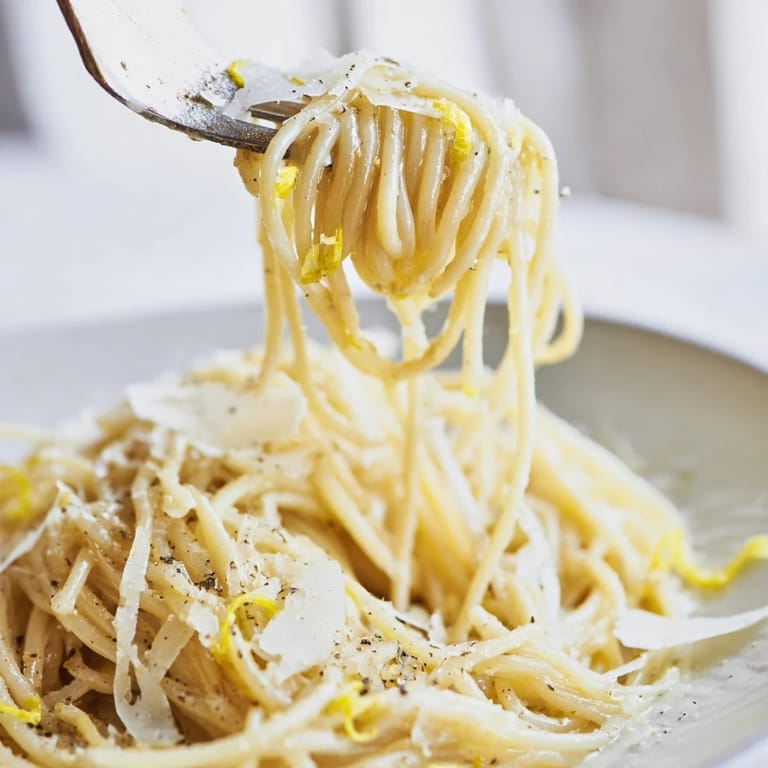
The secret to making this feel like more than just quick weeknight pasta is actually in how you plate it. Use warm plates, don't just dump the pasta into bowls—twirl it slightly onto each plate so it looks intentional rather than thrown together. Finish with a crack of black pepper and a small amount of fresh Parmesan so people see the care you took, even if the whole thing only took twenty minutes.
- Warming your plates in the oven for just two minutes while you finish the sauce keeps the pasta from cooling down the moment it hits the dish.
- A small amount of lemon zest scattered on top at the very end adds visual brightness and reminds people's palates what they're tasting.
- Serve this alongside crusty bread and maybe a simple green salad so people have something to balance the richness, even though the sauce itself is quite light.
 Pin It
 This is the pasta I reach for when I need to prove that cooking doesn't have to be complicated to be delicious. It's become my go-to answer whenever someone says they can't cook—because if you can boil water and use a zester, you can absolutely make something this good.
Recipe Questions & Answers
- → What type of pasta works best for this dish?
Capellini, also known as angel hair pasta, is ideal for this preparation due to its delicate thickness. It cooks quickly (2-3 minutes) and pairs beautifully with the light lemon-butter sauce without overwhelming it. Spaghettini or thin spaghetti are suitable alternatives.
- → Can I make this dish ahead of time?
This dish is best served immediately after preparation to maintain the silky sauce texture. However, you can prepare all ingredients in advance. Cook the pasta just before serving and combine with the warm lemon-butter sauce for optimal results.
- → How do I prevent the sauce from breaking?
Keep heat at medium or lower when making the sauce. Reserve pasta cooking water to add gradually—the starch helps emulsify the butter and oil. Toss constantly and avoid boiling the sauce, which can cause separation.
- → What can I add for extra protein?
Grilled shrimp, seared chicken breast, or white fish complement the lemon-butter sauce beautifully. Add protein during the final tossing step. For a vegetarian boost, consider adding cannellini beans or toasted pine nuts.
- → Is this suitable for dietary restrictions?
Yes. This dish is naturally vegetarian. For vegan preparation, use plant-based butter and nutritional yeast instead of Parmesan. It's also naturally gluten-free if you substitute pasta with gluten-free alternatives.
- → What wine pairs well with this dish?
Crisp white wines work beautifully. Sauvignon Blanc, Pinot Grigio, or Vermentino complement the bright citrus notes. The acidity in these wines balances the richness of the butter and Parmesan perfectly.