 Pin It
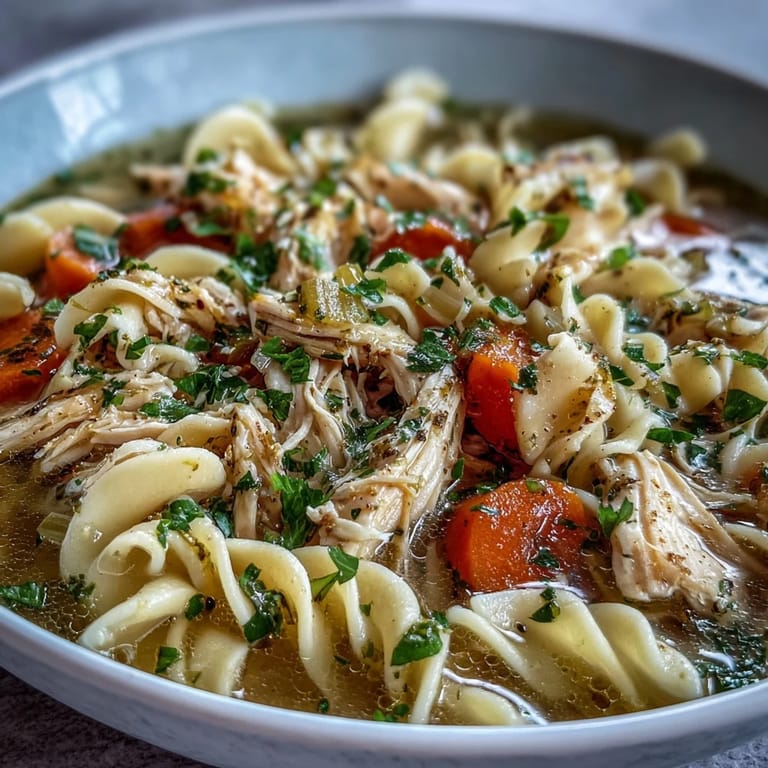
 Last winter, when cold gusts rattled our windows and the thermostat seemed permanently fixed at "too chilly," I turned to my Instant Pot with an urgent mission—creating the ultimate chicken noodle soup. The steam rising from that first experimental batch fogged my glasses as I leaned over to inhale the familiar aroma, instantly transporting me to comfort even before the first spoonful. What began as a practical attempt to speed up a classic quickly became our household's official cold-weather ritual, bringing warmth from the inside out when we needed it most.
My neighbor Sarah knocked on our door one particularly frigid evening, her nose red from the cold, just as I was ladling out the soup for dinner. The look on her face when she stepped into our warm kitchen, breathing in that aromatic cloud of herbs and savory broth, said everything before she did. She texted the next day asking for the recipe, saying her kids actually requested seconds of a dish containing vegetables, which she considered nothing short of miraculous.
Ingredients
- Boneless chicken breasts or thighs: I prefer thighs for their richer flavor and forgiveness if slightly overcooked, but breasts work beautifully for a leaner option without sacrificing tenderness.
- Egg noodles: The slightly chewy texture and ability to hold up in hot liquid makes these perfect, though I once had to substitute fettuccine broken into pieces in a pinch and it worked surprisingly well.
- Carrots, celery, and onion: This trinity creates the aromatic foundation of any good soup, and cutting them to similar sizes ensures they cook evenly without some turning to mush while others remain too crisp.
- Low-sodium chicken broth: Starting with low-sodium gives you complete control over the saltiness, allowing you to adjust at the end when flavors have concentrated.
- Dried herbs: The pressure cooking intensifies dried herbs beautifully, though Id caution against increasing amounts as what seems subtle beforehand can become overpowering in the finished soup.
Tired of Takeout? 🥡
Get 10 meals you can make faster than delivery arrives. Seriously.
One email. No spam. Unsubscribe anytime.
Instructions
- Start with a proper sauté:
- Turn your Instant Pot to Sauté mode and add that tablespoon of olive oil until it shimmers slightly. The vegetables should make that satisfying sizzle when they hit the pot, a sound that promises good things to come.
- Layer flavors carefully:
- Once your vegetables have softened slightly, that brief 30-second garlic addition makes all the difference. Youll notice the aroma shifts dramatically, becoming more complex and inviting.
- Position chicken strategically:
- Place the chicken directly on top of the vegetable bed rather than buried beneath it. This positioning allows it to cook evenly while absorbing flavor from below.
- Seal in the goodness:
- After adding broth and seasonings, take a moment to ensure your seal ring is properly seated before locking the lid. That hissing sound when pressurizing should stop completely once properly sealed.
- Master the pressure release:
- The 5-minute natural release followed by manual release creates the perfect balance, allowing proteins to relax without overcooking. When you turn the valve, keep your hand away from the direct steam path.
- Shred with intention:
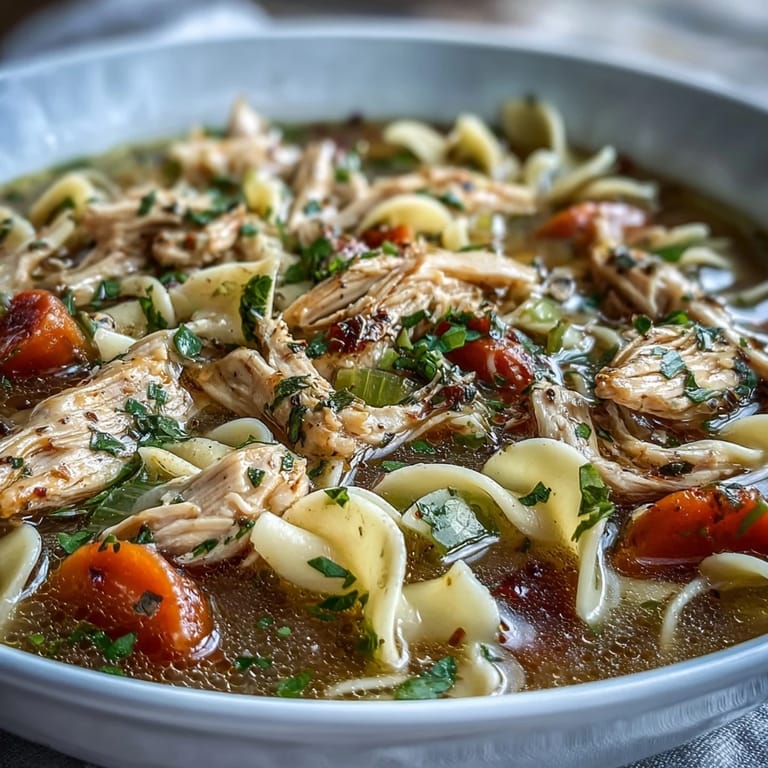
- Pull the chicken apart while its still hot for the easiest shredding, but not scalding. I find a pair of forks creates the perfect-sized pieces that fit comfortably on a spoon.
- Noodle timing matters:
- Adding noodles after pressure cooking prevents them from becoming mushy. Keep an eye on them as different brands may require slightly different cooking times.
- Final harmony check:
- Taste before serving and consider if it needs a touch more salt or pepper. Sometimes a final brightness adjustment with just a few drops of lemon juice transforms the whole pot.
 Pin It
 My friend Tomas, who claims to dislike soup as a concept, reluctantly accepted a bowl one game night when nothing else was offered. The silence that fell over our usually chatty group as everyone focused on their steaming bowls spoke volumes about its appeal. Later, Tomas sheepishly asked if there was any left to take home, a quiet conversion I still tease him about whenever soup is mentioned.
Make-Ahead Options
Ive discovered this soup actually improves overnight in the refrigerator as the flavors meld together, making it perfect for meal prep. For best results, consider storing the noodles separately if making more than a day ahead, then combining when reheating to prevent them from absorbing too much broth and becoming soggy. A quick splash of fresh broth when reheating brings everything back to life beautifully, creating that just-made taste even days later.
Adaptations For Dietary Needs
After my sister was diagnosed with celiac disease, I started experimenting with gluten-free versions using rice noodles and ensuring my broth was certified gluten-free. The trick with rice noodles is to add them even later in the process, as they cook significantly faster than traditional egg noodles and can disintegrate if left too long. The soup becomes slightly less cloudy with rice noodles, but the flavor remains equally satisfying and comforting, proving good food can adapt to nearly any dietary requirement without sacrifice.
Freezing and Storage Guidance
My Sunday batch-cooking sessions often include this soup, portioned into individual containers that freeze beautifully for up to three months. Ive learned through trial and error that the key to successful freezing is cooling the soup completely before transferring it to containers, which prevents ice crystals that can affect texture upon thawing.
- For best results, leave about an inch of space at the top of containers to allow for expansion during freezing.
- Thaw overnight in the refrigerator rather than using the microwave defrost function, which can create hot spots that overcook certain ingredients.
- A sprinkle of fresh herbs just before serving revitalizes previously frozen soup, bringing back that fresh-made brightness.
 Pin It
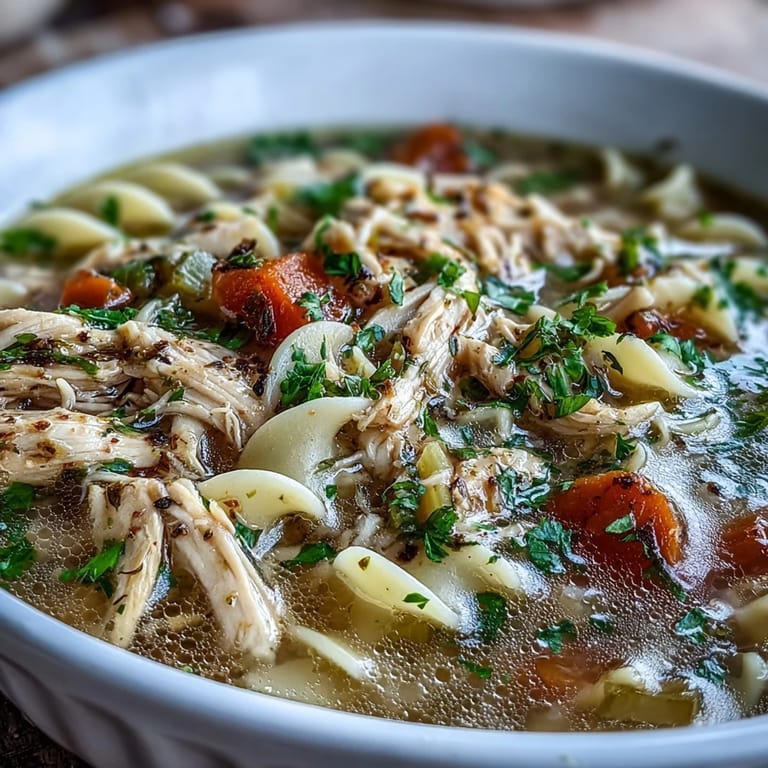
 This soup has become more than just a meal in our home, its our reset button when life gets overwhelming. There is profound comfort in knowing that in just half an hour, whatever the day has thrown at us can be temporarily soothed by a steaming bowl of something made with care.
Recipe Questions & Answers
- → Can I use frozen chicken breasts?
Yes, frozen chicken breasts work well. Simply increase the pressure cooking time to 12-15 minutes depending on thickness. No need to thaw beforehand.
- → How long does this soup keep in the refrigerator?
Store cooled soup in an airtight container for up to 4 days. The noodles will continue absorbing liquid, so you may need to add extra broth when reheating.
- → Can I freeze this soup?
Freezing works best without the noodles. Cook soup through step 7, cool completely, and freeze for up to 3 months. Add fresh noodles when reheating.
- → What other pasta shapes work well?
Small shapes like ditalini, small shells, or orzo are excellent alternatives. Adjust cooking time slightly based on pasta package instructions.
- → How can I make this more flavorful?
Add a parmesan cheese rind during pressure cooking, splash in lemon juice before serving, or stir in a tablespoon of better-than-bouillon paste for extra depth.