 Pin It
 There's something about the aroma of four cheeses bubbling in the oven that makes a Tuesday night feel like Sunday dinner at a grandmother's house, even if you're cooking solo in a small apartment. I discovered this baked pasta during a particularly uninspired week when I had a half-empty ricotta container, some mozzarella that needed using, and the kind of hunger that demands something warm and unapologetic. The first time I made it, I kept opening the oven door like a child checking for presents, unable to resist watching the cheese transform into that burnished, golden top. It's become the dish I reach for when I need comfort, or when I want to impress without the fuss.
I made this for my neighbor one winter when she'd been under the weather, and she said it tasted like someone really cared, which made me laugh because mostly I just didn't want to see her door-dash bill. The way her eyes lit up when she bit into that creamy center told me that sometimes the most meaningful meals are the simplest ones, served in a disposable aluminum container at room temperature.
Ingredients
- Penne or rigatoni (1 pound): Choose one with ridges or tubes that catch and hold the cheese sauce; smooth pasta slides around and misses all the good stuff.
- Ricotta cheese (1 cup): This is your creamy foundation, and using the regular kind (not part-skim) makes a noticeable difference in how luxurious the final dish feels.
- Shredded mozzarella (1½ cups): Low-moisture mozzarella browns beautifully and doesn't turn into a greasy puddle like the watery kind will.
- Grated Parmesan (1 cup): Fresh grated tastes almost sharp enough to wake you up, which balances all that creamy richness perfectly.
- Grated Romano (¾ cup): This is the wild card that gives the dish personality; it's saltier and has a bite that keeps things from feeling one-note.
- Marinara sauce (3 cups): Homemade is wonderful if you have it, but a good jarred sauce means you're not standing over a pot for hours.
- Garlic (2 cloves, minced): Fresh garlic bloomed in olive oil smells like someone is actually cooking, which matters more than people admit.
- Olive oil (2 tablespoons): Use something you'd taste on its own; the cheap stuff will remind you of it in every bite.
- Dried basil, oregano, red pepper flakes, salt, and pepper: These seasonings are your chance to taste the difference between good and forgettable.
- Fresh basil (2 tablespoons, optional): A handful scattered on top after it comes out of the oven keeps things from tasting exclusively warm and heavy.
Tired of Takeout? 🥡
Get 10 meals you can make faster than delivery arrives. Seriously.
One email. No spam. Unsubscribe anytime.
Instructions
- Preheat and prepare:
- Set your oven to 375°F and butter or oil a 9x13-inch baking dish so nothing sticks and you actually want to eat it. This step takes ninety seconds and prevents the regret that comes with scrubbing pasta off ceramic.
- Cook the pasta just shy of done:
- Bring salted water to a rolling boil, add your pasta, and pull it out about two minutes before the package says it's ready, when it still has a whisper of firmness. You're going to bake it later, and overcooked pasta turns to mush in the oven no matter how much cheese you add.
- Build your sauce:
- Warm olive oil in a saucepan over medium heat until it shimmers, add garlic, and listen for that quiet sizzle that means it's ready. Pour in your marinara, sprinkle in the dried herbs and red pepper flakes, let it bubble away for five minutes so the flavors get acquainted, then take it off the heat.
- Bring it all together:
- In a large bowl, combine your drained pasta with the ricotta, half of each of the shredded cheeses, and about two-thirds of your sauce, and stir until every piece of pasta is wearing a creamy coat. The mixture should look generous but not swimming in sauce.
- Transfer and top:
- Spread the pasta mixture into your prepared dish, pour the remaining sauce over the top, and scatter the remaining cheeses across like you're finishing a painting. Cover it loosely with foil so steam can escape but the cheese doesn't brown too fast.
- Bake low and slow, then finish:
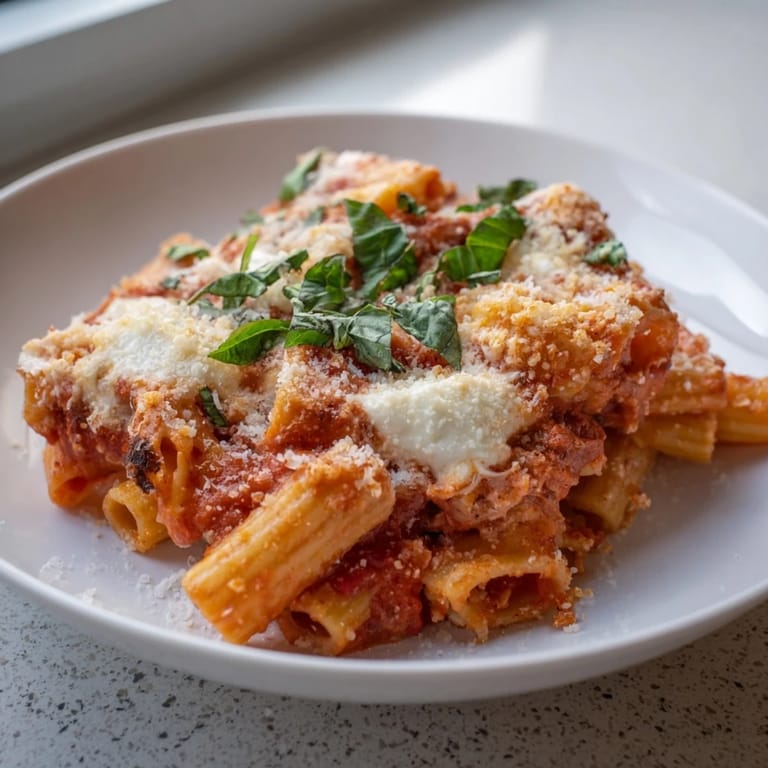
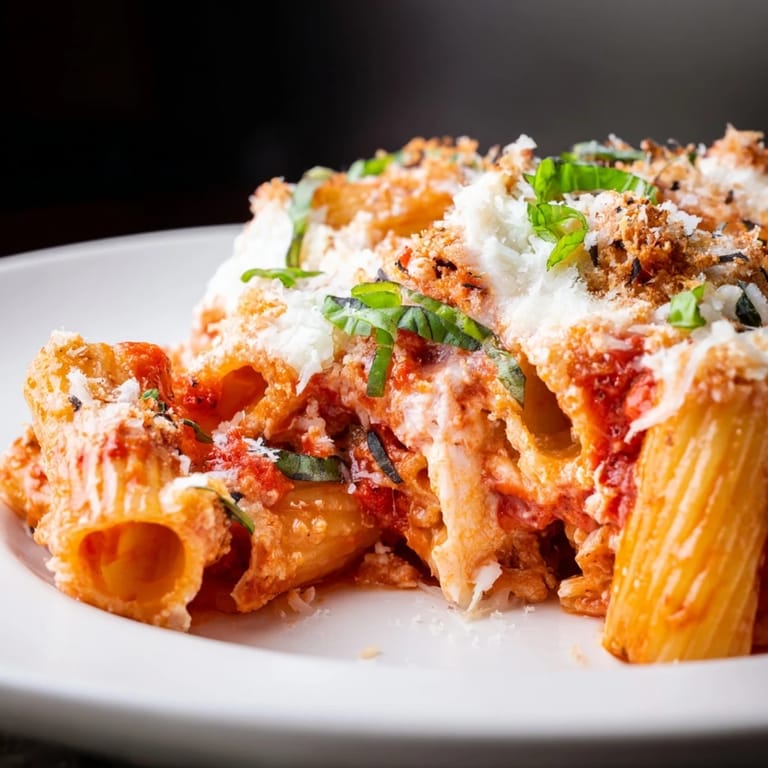
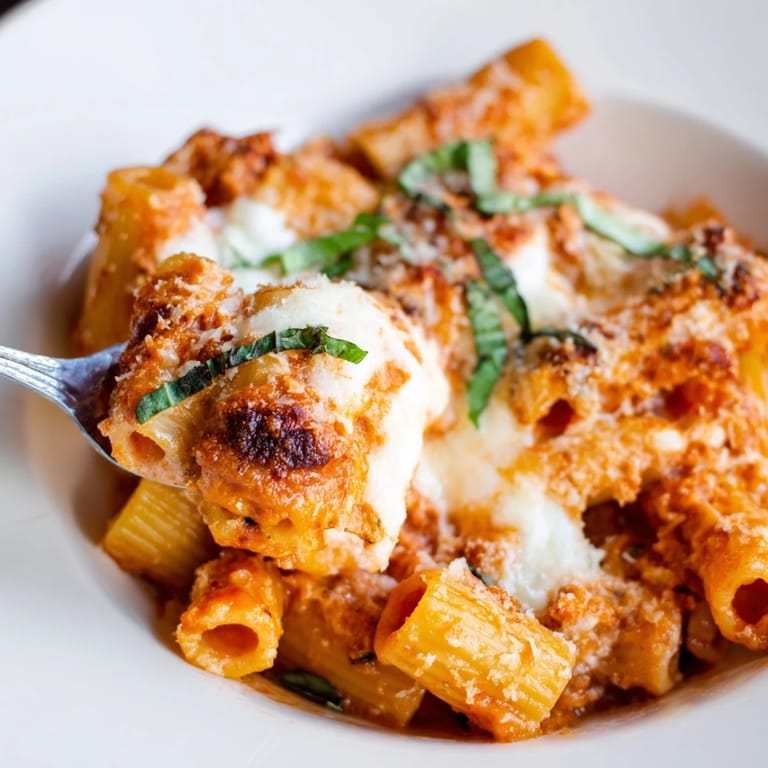
- Bake covered for twenty minutes, remove the foil, then let it go for another ten to fifteen minutes until the top is golden and bubbling at the edges. You'll know it's done when you can't resist lifting a corner of the baking dish to look at it anymore.
- Rest and serve:
- Let it sit for five minutes so the cheese sets up just enough that a spoon won't create a crater, scatter fresh basil on top if you have it, and call people to the table.
 Pin It
 My colleague once asked if I'd made this for a funeral because apparently I brought it to three different potlucks in a row, which I took as the highest compliment. It's the kind of dish that works as a quiet comfort and also as something to celebrate with, which is rare.
The Cheese Decision
People ask which cheese is the most important, and the honest answer is that they all work together like they planned it. Ricotta is the creamy base that makes everything tender, mozzarella is the melting glue that holds everything together, Parmesan adds a subtle nutty depth, and Romano brings an edge that prevents the whole thing from tasting like eating a cloud. Leaving any one out means something feels incomplete. I learned this the hard way when I ran out of Romano and tried to cover it with extra Parmesan; it tasted fine but less interesting, like a song with a missing note.
Timing and Temperature
The oven temperature matters more than people think because 375°F is hot enough to brown the cheese without drying out the pasta, but 400°F will give you a crust that tastes burnt no matter how creamy it is underneath. I've also learned that cooking time varies wildly depending on your oven's personality; some bake faster than others, so start checking around minute twelve of the uncovered bake. The bubbling around the edges is your signal that everything is finished, not the cheese color alone.
Make It Your Own
This recipe is forgiving enough to let you add what you love without ruining the core magic. Some people swear by a handful of sautéed spinach folded in, others brown mushrooms first and mix those through, and one friend adds a pinch of nutmeg to her ricotta because her Italian grandmother did. You could even use a mix of cheeses if you have leftovers from other dishes. The real rule is tasting as you go and adjusting the salt and pepper at the end because everything tastes different once it comes out of the oven.
- Brown mushrooms first in a separate pan if you're adding them, so they lose their water and actually develop flavor instead of making the whole dish soggy.
- If you're making it ahead, assemble it completely, cover it with plastic wrap, and refrigerate for up to two days, then bake at the same temperature but add five or ten extra minutes since it's cold.
- Leftover sauce mixed with a little pasta water makes a perfect drizzle over the top if you feel like it's looking dry.
 Pin It
 This is the kind of dish that fills a kitchen with the smell of home and makes people around your table relax a little, which might be the whole point of cooking. Serve it with a green salad and crusty bread, and watch people come back for seconds without being asked.
Recipe Questions & Answers
- → What pasta types work best for this baked dish?
Penne or rigatoni hold sauce well and maintain their shape during baking, making them ideal choices.
- → Can I substitute the cheeses used in this dish?
Part-skim ricotta and low-moisture mozzarella can lighten the dish without sacrificing creaminess.
- → How should I prepare the sauce for optimal flavor?
Sauté minced garlic in olive oil, then simmer with marinara sauce and seasonings for a fragrant and balanced base.
- → What is the baking process to achieve a golden top?
Cover with foil and bake initially, then uncover towards the end to allow the cheese to brown and bubble beautifully.
- → Are there recommended additions to enhance this dish?
Adding sautéed spinach or mushrooms can introduce extra texture and nutrients, complementing the cheeses nicely.