 Pin It
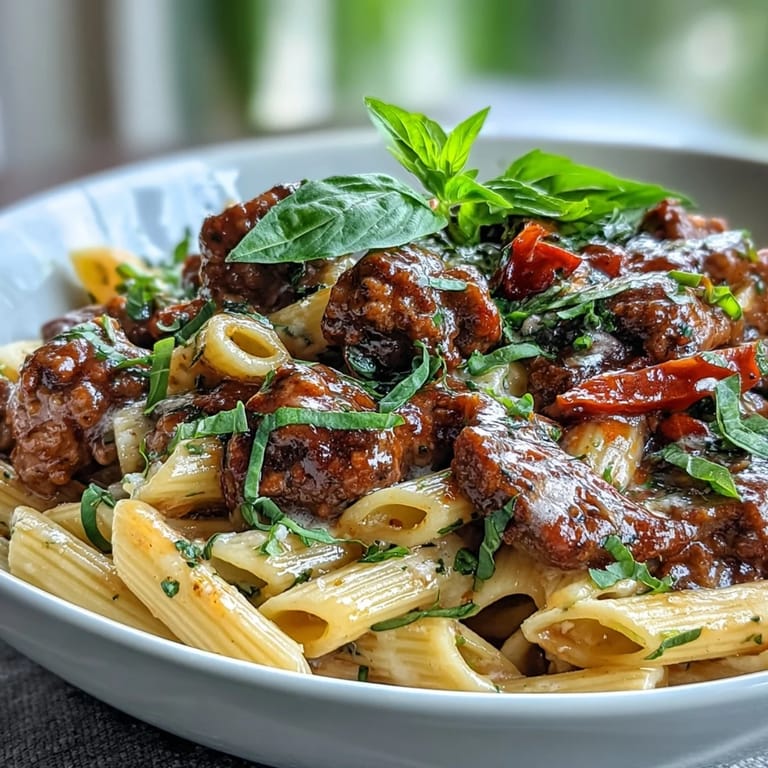
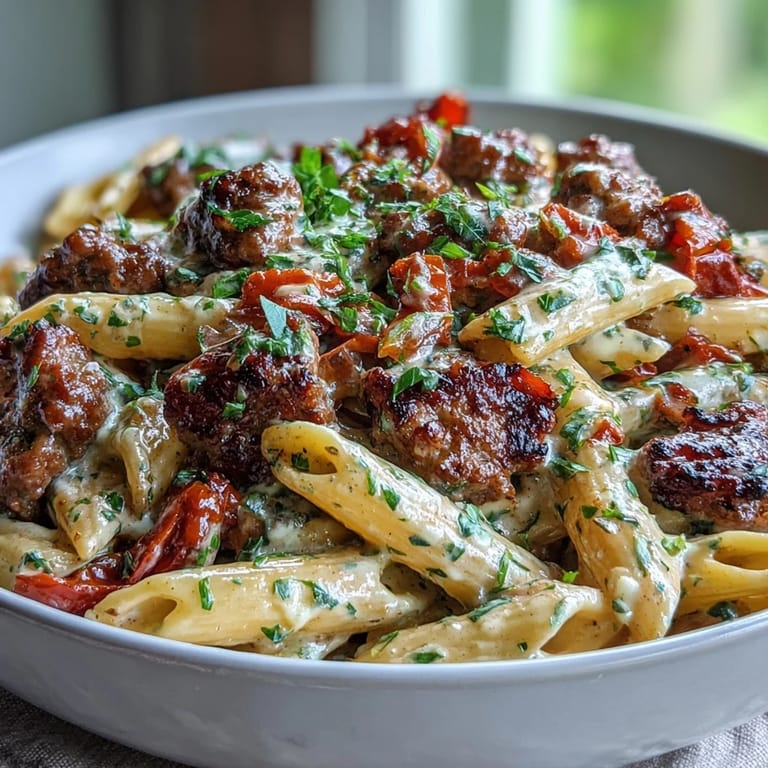
 There's something about the way a kitchen fills with the smell of browned sausage and red wine that makes you feel like you've already created something worthwhile, even before the pasta hits the pot. I discovered this one-pot wonder on a weeknight when I was tired of washing multiple dishes but absolutely needed comfort food, and it turned out to be the kind of dish that works equally well for a quiet Tuesday or when friends drop by unexpectedly. The beauty of it is how the pasta cooks directly in the sauce, soaking up every bit of richness while your kitchen transforms into something that smells like an Italian trattoria.
I made this for a dinner party where my usually confident friend admitted she couldn't cook, and watching her face when she realized she could absolutely handle this dish was worth every minute. She's since made it countless times, and what started as me trying to prove a point became her go-to recipe for impressing people, which made me genuinely happy in a way that had nothing to do with cooking.
Ingredients
- Italian sausage (400 g): The foundation of this dish, and whether you choose mild or spicy depends entirely on your mood and who's eating—I've learned that removing the casings first makes browning infinitely easier and more even.
- Onion (1 medium): Finely chopping it ensures the pieces almost disappear into the sauce, adding sweetness without texture.
- Garlic (3 cloves): Minced garlic disperses quickly once you add the wine, preventing any harsh raw notes that could throw off the balance.
- Red bell pepper (1): Diced into smallish pieces so it softens completely and contributes its subtle sweetness to the overall depth.
- Canned chopped tomatoes (400 g): The acidity here balances the cream beautifully, and canned tomatoes are honestly more reliable than fresh for consistent results.
- Short pasta (300 g): Penne, rigatoni, or fusilli all work because their shapes trap sauce—avoid long thin pasta that can become mushy.
- Dry red wine (120 ml): This isn't just flavoring; it's the bridge between the savory meat and the creaminess that comes later, so don't skip it or substitute it.
- Chicken or vegetable broth (700 ml): Low-sodium broth gives you control over the final salt level, which matters more than you'd think.
- Heavy cream (120 ml): Added at the very end so it stays rich and doesn't break or separate from the heat.
- Parmesan cheese (40 g): Grated fresh right before use, not the pre-grated kind which contains anti-caking agents that can make your sauce grainy.
- Soy sauce (2 tbsp): This secret ingredient adds savory depth without making the dish taste Asian—it just tastes more like itself.
- Dried oregano (1 tsp): The herbaceous note that ties everything to Italian flavors without overpowering the wine.
- Chili flakes (1/2 tsp, optional): A whisper of heat that makes the other flavors pop brighter, even if you can't quite identify where it's coming from.
- Black pepper (1/2 tsp): Freshly cracked if possible, which releases more of its essential oils than pre-ground.
- Salt: Added to taste at the end, after everything else is combined, because broth and soy sauce and cheese already contribute saltiness.
- Fresh basil or parsley: Chopped and scattered on top just before serving, it adds a brightness that completes the dish.
Tired of Takeout? 🥡
Get 10 meals you can make faster than delivery arrives. Seriously.
One email. No spam. Unsubscribe anytime.
Instructions
- Brown the sausage:
- Heat your large pot or deep skillet over medium heat and add the sausage with the casings removed, breaking it apart as it cooks with a wooden spoon. You're looking for that rich brown color and the edges to start crisping up, which takes about 5 to 6 minutes and signals that the fat has rendered and the meat is no longer pink.
- Sauté the aromatics:
- Add the chopped onion, minced garlic, and diced bell pepper to the pot and let them soften together for 3 to 4 minutes, stirring occasionally. You'll notice the onion becoming translucent and the whole mixture becoming fragrant, which is exactly when you know you're ready for the next step.
- Deglaze with wine:
- Pour in the red wine and use your spoon to scrape up the browned bits stuck to the bottom of the pot—these are pure flavor. Let it simmer for about 2 minutes so the alcohol cooks off slightly and the wine reduces just a touch, concentrating its flavor.
- Build the sauce base:
- Stir in the canned tomatoes, broth, soy sauce, oregano, chili flakes if you're using them, and black pepper, mixing everything thoroughly. This is when the pot starts to smell like somewhere you'd want to eat, and you're maybe 10 minutes into the whole process.
- Cook the pasta in the sauce:
- Add the uncooked pasta directly to the pot and stir so it's mostly submerged in the liquid, then bring everything to a gentle boil. Reduce the heat to medium-low, cover the pot, and let it cook for 12 to 15 minutes, stirring occasionally, until the pasta is al dente and most of the liquid has been absorbed into the noodles.
- Finish with cream and cheese:
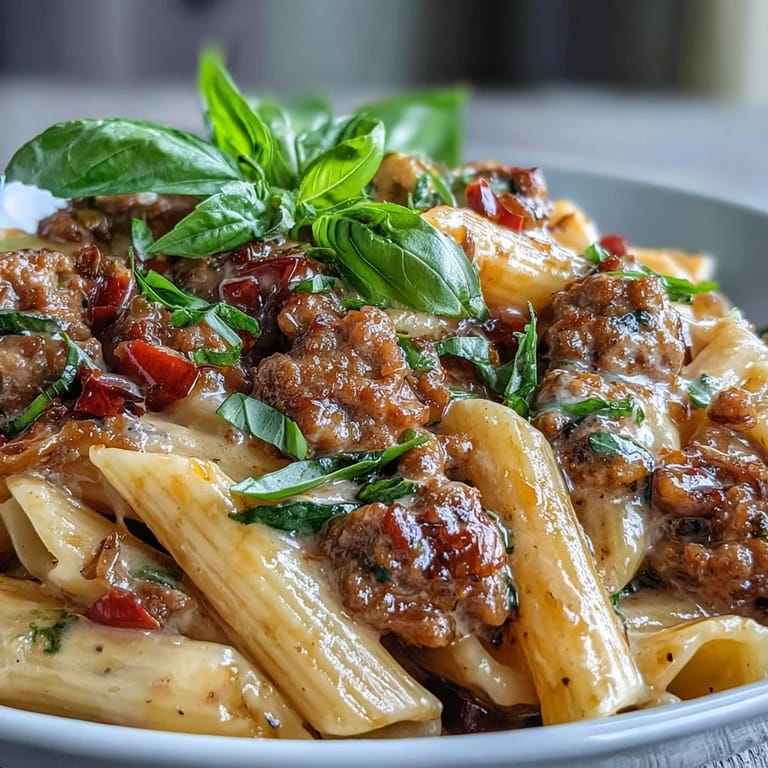
- Stir in the heavy cream and grated Parmesan cheese and cook uncovered for another 2 to 3 minutes, moving the pot around occasionally so the cream emulsifies with the sauce. The dish goes from thick and tomatoey to silky and luxurious, and you'll know it's perfect when it coats the pasta evenly.
- Taste and adjust:
- Give it a taste and add salt if needed, remembering that the Parmesan and soy sauce have already contributed saltiness. This small step prevents the dish from being under-seasoned, which is an easy mistake that changes everything.
- Serve and garnish:
- Ladle the pasta into bowls while it's still hot and scatter fresh basil or parsley over the top. The fresh herbs brighten up the rich sauce and add a final touch that makes people think you've put much more effort into this than you actually have.
 Pin It
 There was an evening when my neighbor brought over their two kids who were notoriously picky eaters, and I watched these children happily eat every bite of this pasta, asking for seconds without being asked. That moment reminded me that the best recipes aren't the ones that sound fancy or require obscure ingredients—they're the ones that bring people together without drama or stress.
Why One-Pot Cooking Changes Everything
The reason this method works so well is that the starch released by the pasta mingles with the liquid, creating a natural thickening agent that transforms into a silky sauce without any flour or additional cream. It's a technique I wish I'd understood earlier in my cooking life, because once you realize pasta can finish cooking in sauce, you start seeing possibilities everywhere.
The Red Wine Question
Don't stress too much about using an expensive wine here, but do use something you'd actually drink—the cheap cooking wines often contain additives that muddy the flavor rather than enhance it. A mid-range dry red like a basic Merlot or Chianti works perfectly, and you'll have a glass left over to sip while you cook, which is never a bad thing.
Variations and Personal Touches
This dish is forgiving enough to adapt to what you have on hand, and that flexibility is partly why it's become such a reliable favorite. I've made it with turkey sausage when trying to eat lighter, and once with plant-based sausage for a vegetarian friend—both versions worked beautifully because the sauce carries so much flavor on its own.
- Swap the Italian sausage for ground beef or turkey if that's what you have, adjusting the cooking time slightly since ground meat browns differently than whole sausage pieces.
- Add a handful of spinach or other leafy greens in the last minute of cooking for extra nutrition and a color contrast that makes the dish visually appealing.
- If you prefer less wine flavor, reduce it to 90 ml and increase the broth slightly to maintain the same liquid ratio.
 Pin It
 This is the kind of recipe that sits at the intersection of simple and special, where you're genuinely proud of what you've made but also relaxed enough to enjoy the process. Make it once and it becomes yours, adapted to your tastes and your kitchen, which is exactly how food should work.
Recipe Questions & Answers
- → Can I use different pasta shapes?
Short pasta varieties like penne, rigatoni, or fusilli work best as they catch the creamy sauce effectively. Avoid long pasta like spaghetti—the sauce won't coat properly.
- → What type of red wine should I use?
Choose a dry red wine you'd enjoy drinking, such as Chianti, Merlot, or Cabernet Sauvignon. Avoid sweet wines as they'll alter the sauce's balance.
- → Can I make this dish ahead?
Yes, prepare up to step 6, cool completely, and refrigerate for up to 2 days. Reheat gently with a splash of broth or cream to restore consistency before serving.
- → Is the soy sauce essential?
The soy sauce adds umami depth without tasting Asian. Substitute with a pinch of Worcestershire sauce or omit entirely if preferred—the dish remains delicious.
- → How can I make this lighter?
Substitute turkey sausage, reduce cream to 60ml, or use half-and-half instead. The dish will be less rich but still satisfying and flavorful.