 Pin It
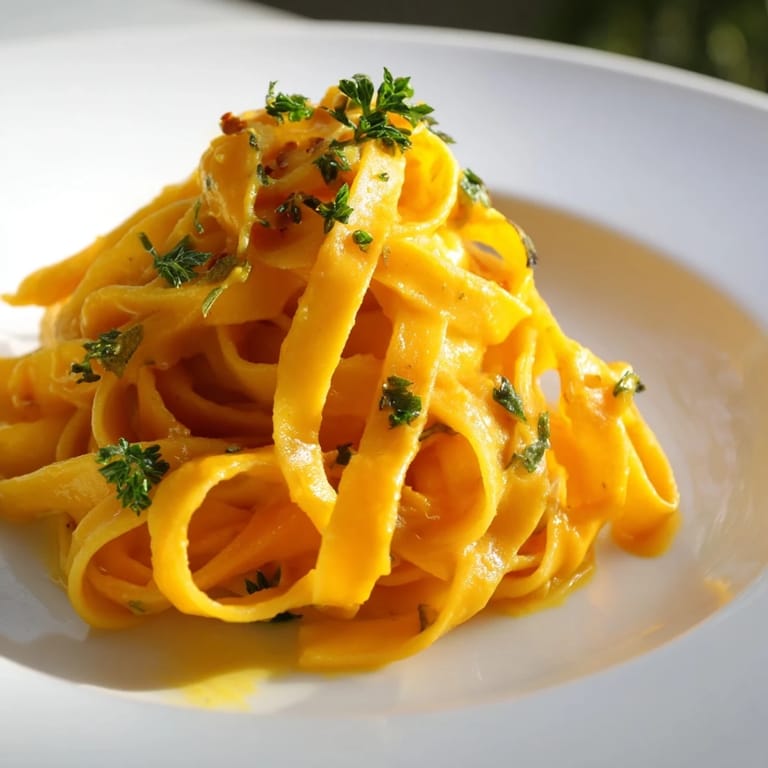
 There's something about autumn that makes me crave butternut squash in every form, but it was a rainy October evening when I finally decided to turn one into pasta sauce. I'd been overthinking it for weeks, convinced the flavors wouldn't work, until a friend casually mentioned she just blended hers with cream and called it done. That conversation changed everything. Now I make this dish whenever I want to feel like I'm sitting in a cozy Italian kitchen, even if I'm just in my apartment with the windows fogged up.
I made this for my sister when she visited last November, and she ate three helpings without speaking, which is how I know it's good. She kept asking what made it taste so rich, and I realized it was just the combination of roasted garlic, sage, and the fact that I didn't rush the squash in the oven. When you take time to let things caramelize, they tell you they're ready with their edges turning golden.
Ingredients
- Butternut squash: Choose one that feels heavy for its size, a sign it's dense and flavorful, and don't stress about peeling it raw—roasting first makes it softer and easier to handle if you prefer that method.
- Garlic cloves: Leave them unpeeled while roasting so they become sweet and jammy, then squeeze out the creamy insides like butter.
- Yellow onion: Dicing it small lets it melt into the sauce and disappear, adding depth without texture.
- Fresh sage: This herb is non-negotiable for me, but dried works if that's what you have on hand.
- Fettuccine or tagliatelle: Wide ribbons catch the sauce better than thin strands, but use whatever pasta makes you happy.
- Heavy cream: Full-fat coconut milk is a genuine substitute if you're vegan, and honestly tastes just as good.
- Vegetable broth: Keep it on hand because it's what lets you control the sauce consistency at the end.
- Parmesan cheese: Grate it yourself if you have time, but pre-grated works when life is busy.
Tired of Takeout? 🥡
Get 10 meals you can make faster than delivery arrives. Seriously.
One email. No spam. Unsubscribe anytime.
Instructions
- Set your oven and prepare the squash:
- Heat your oven to 400°F and line a baking sheet with parchment paper. The parchment saves cleanup and keeps the squash from sticking, which I learned the hard way after a particularly stubborn roasting session.
- Roast the vegetables:
- Toss your cubed squash and unpeeled garlic with olive oil, salt, and pepper, then spread them on the sheet. You'll know they're done when the squash turns tender and the edges caramelize to a deep golden brown, usually around 25 to 30 minutes, turning halfway through so nothing burns.
- Start the pasta water:
- While the squash roasts, get a large pot of salted water boiling—the water should taste like the sea. Cook your pasta according to the package, but save that 1/2 cup of starchy water before draining because it's liquid gold for adjusting sauce consistency later.
- Build the flavor base:
- Heat your remaining olive oil in a skillet over medium heat and sauté the diced onion with sage for about 4 minutes until soft and fragrant. This step might seem small, but it's where the sage releases its essential oils and the onion becomes sweet.
- Blend into smoothness:
- Squeeze the roasted garlic from its skins into a blender or food processor. Add the roasted squash, the sautéed onion and sage, vegetable broth, and cream, then blend until completely smooth and velvety. Take a moment here to appreciate how the colors blend into something beautiful.
- Finish the sauce:
- Pour the sauce back into your skillet over low heat, stir in the Parmesan and a pinch of nutmeg if you're using it, then taste and adjust the salt and pepper. If it's thicker than you like, add pasta water a splash at a time until it flows like you want it to.
- Bring it together:
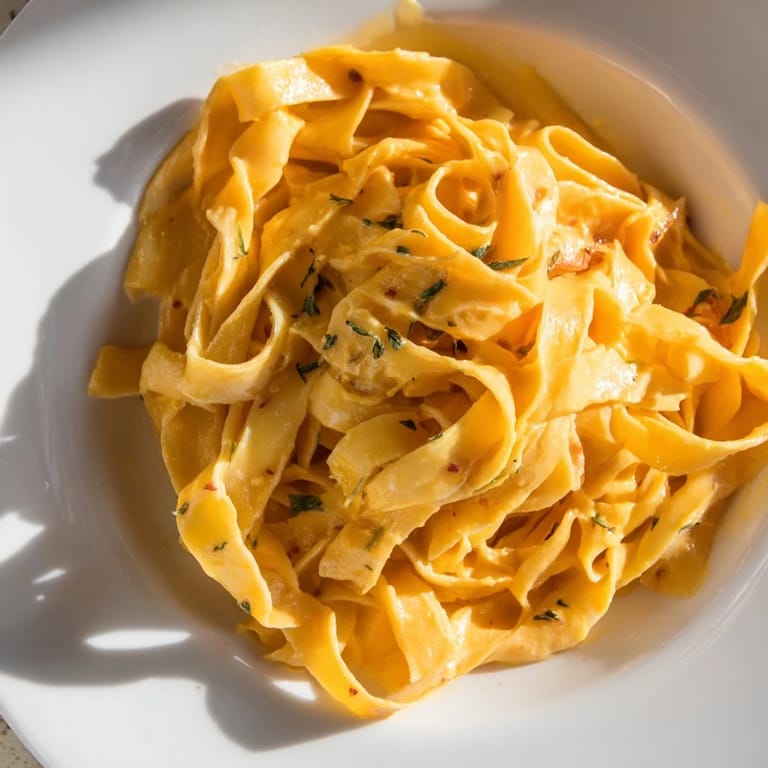
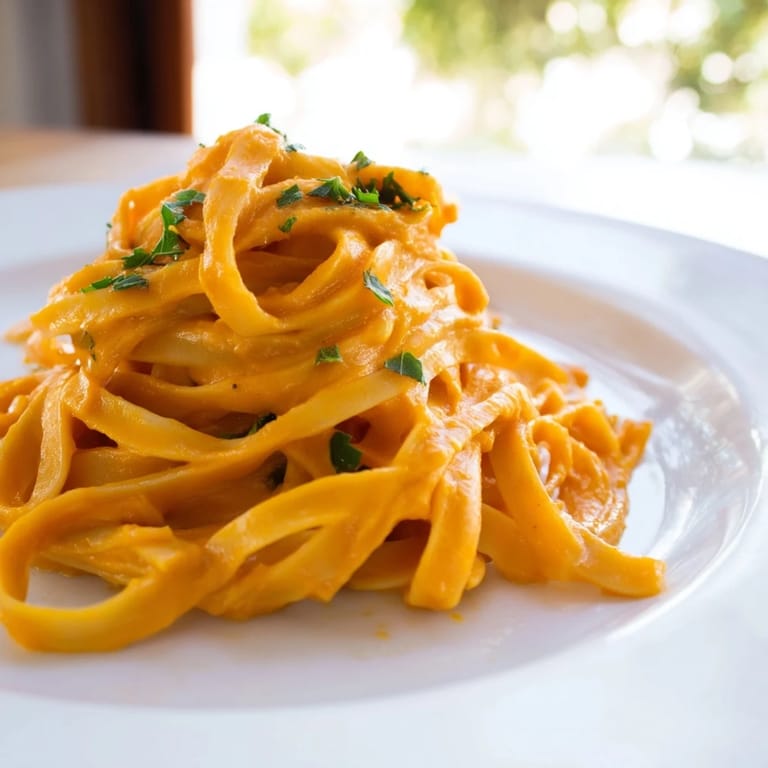
- Add your cooked pasta to the sauce and toss everything gently for 2 to 3 minutes, letting the pasta soak up all that creamy goodness. The tossing is gentle because you want ribbons, not broken pieces.
- Plate and garnish:
- Serve immediately while everything is warm, topped with fresh parsley and extra Parmesan. Those final touches aren't fancy, they're just the right way to finish something you've made with care.
 Pin It
 There was an evening last winter when my neighbor smelled this cooking and knocked on my door asking what I was making. I gave her a bowl, and she came back the next week asking for the recipe, which felt like the highest compliment. Food that makes people curious is food that matters.
Variations That Work
I've made this dish a dozen different ways depending on what's in my kitchen and what I'm craving. Adding sautéed mushrooms gives it an earthy depth, while spinach brightens everything up. Toasted walnuts scattered on top add a crunch that makes each bite interesting. Once I even added crispy sage leaves as a garnish, which sounds fancy but took only a few extra minutes. The base sauce is flexible enough to welcome whatever you want to add, as long as you taste as you go.
What to Serve Alongside
This pasta is substantial enough to stand alone, but a simple green salad with lemon vinaigrette cuts through the richness beautifully. Crusty bread is perfect for soaking up any extra sauce on your plate, which is not wasteful, it's logical. If you're opening wine, a crisp Pinot Grigio or Sauvignon Blanc lets the squash shine without competing for attention.
Storage and Make Ahead
You can make the sauce up to two days ahead and keep it in the refrigerator, which is honestly great for busy weeks. Just cook your pasta fresh when you're ready to eat, since combining them in advance makes the pasta absorb too much liquid and turn mushy. The squash and sauce also freeze beautifully if you want to make a double batch and have dinner waiting on a particularly tired day.
- Reheat gently on the stove with a splash of broth or cream so the sauce doesn't separate or break.
- If you're meal prepping, keep the pasta separate and combine just before eating for the best texture.
- Leftovers taste even better the next day when flavors have time to settle and deepen.
 Pin It
 This dish has become my answer to wanting something warm and nourishing that doesn't require fancy technique or hard to find ingredients. Every time I make it, it feels like coming home.
Recipe Questions & Answers
- → Can I make this dish ahead of time?
Yes, you can prepare the squash sauce up to 2 days in advance and refrigerate it. Reheat gently over low heat before tossing with freshly cooked pasta. Cook the pasta just before serving for best texture.
- → What pasta shape works best?
Fettuccine and tagliatelle are ideal because their wide, flat surfaces catch and hold the creamy sauce beautifully. Pappardelle or even filled ravioli also pair wonderfully with this rich squash sauce.
- → How do I achieve the perfect sauce consistency?
The reserved pasta water is your secret ingredient. Add it gradually while stirring until the sauce reaches your desired thickness. Start with small amounts, as it thickens as it cools slightly.
- → What's the best way to roast butternut squash?
Cut the squash into uniform cubes to ensure even cooking. Toss with olive oil, salt, and pepper, then roast at 400°F for 25-30 minutes, stirring halfway through. Look for caramelized edges for deeper flavor.
- → Can I use fresh pasta instead of dried?
Absolutely. Fresh pasta cooks faster (3-4 minutes) than dried pasta, so adjust your timing accordingly. The delicate texture of fresh pasta complements the creamy sauce wonderfully.
- → What wine pairs well with this dish?
A crisp white wine like Pinot Grigio, Sauvignon Blanc, or Vermentino cuts through the richness beautifully. The acidity balances the creamy sauce and roasted squash flavors.