 Pin It
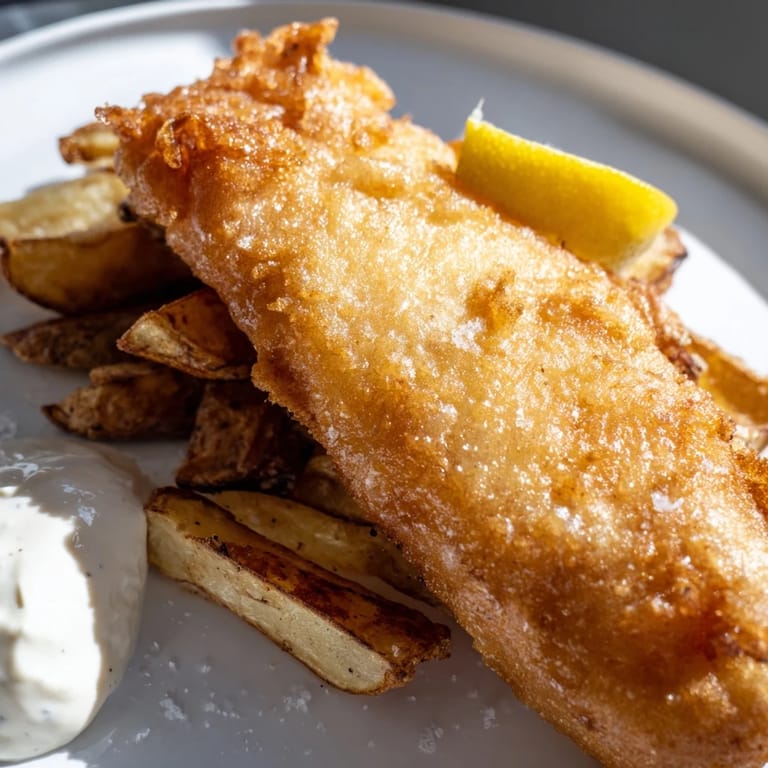
 The first time I truly understood fish and chips wasn't in a restaurant, but on a gray afternoon in a tiny seaside village kitchen, watching my uncle work with practiced hands, moving between bubbling oil and golden batches like it was second nature. He had this way of knowing exactly when the fish was done just by the sound it made, and I remember thinking there was something almost musical about the whole process. That day, biting into batter so crispy it shattered between my teeth, then finding the tender, flaky fish inside, something clicked for me about why this dish has survived centuries of British cooking.
I made this for a group of friends one winter evening, and someone actually said it tasted like they were back in a proper British pub. That moment when people stop talking and just eat, when they come back for seconds without asking, that's when I knew this wasn't just following a recipe—it was creating something people genuinely wanted to experience.
Ingredients
- White fish fillets (cod or haddock, 150g each): These firm, flaky fish hold up beautifully to hot oil and won't fall apart like delicate white fish would; the slightly sweet flavor lets the crispy exterior shine.
- All-purpose flour: This is your base, but it's the supporting player to the cornstarch that makes the magic happen.
- Cornstarch: The secret weapon for getting that crispy, shattering batter that stays crispy even after five minutes of sitting; don't skip it or substitute with potato starch unless you want a thicker crust.
- Baking powder: A small amount creates tiny bubbles that make the batter light and airy, contributing to that desirable crunch.
- Sea salt: Better flavor than table salt, and you'll taste the difference when it's sprinkled over hot chips.
- Cold sparkling water or beer: The carbonation is doing real work here—it creates tiny bubbles that escape during frying, leaving little air pockets that make the batter crispy; use beer if you want a more complex, slightly nutty flavor.
- Russet or Maris Piper potatoes: Maris Pipers are the traditional British choice because they're starchy enough to get crispy on the outside but stay fluffy inside; russets are the reliable American alternative.
- Sunflower or vegetable oil: High smoke point, neutral flavor, and won't impart any off-tastes to your fish and chips.
- Malt vinegar: This is the traditional pairing, sharper and more complex than regular vinegar, and it cuts through the richness beautifully.
Tired of Takeout? 🥡
Get 10 meals you can make faster than delivery arrives. Seriously.
One email. No spam. Unsubscribe anytime.
Instructions
- Soak and Blanch Your Potatoes:
- Cut your potatoes into thick fries and soak them in cold water for at least 15 minutes—this removes the surface starch so they'll fry up golden instead of sticking together. Get your oil to a gentle 150°C (300°F), almost too low for frying, and cook the potatoes for about 4 to 5 minutes until they're soft inside but still pale; you're essentially steaming them in oil at this point.
- Build Your Batter:
- Whisk your dry ingredients together first, then slowly add cold sparkling water, whisking constantly until you have something that coats the back of a spoon but still flows slightly. The batter should cling to your fish, not slide off, and if you're using beer, you might need slightly less liquid because beer already has moisture.
- Crank Up the Heat for the Chips:
- Now bump your oil temperature up to 190°C (375°F) and fry those already-cooked potatoes again in batches for just 2 to 3 minutes until they're golden and crispy on the outside. You'll hear a vigorous sizzle and see them darken slightly; that's when you know they're done, so lift them out and drain them immediately on paper towels, then hit them with fresh sea salt while they're still hot.
- Pat and Dust Your Fish:
- Make sure your fish fillets are completely dry—any moisture will cause the oil to spatter—then dust them lightly with a bit of flour before dipping into the batter. The flour creates a better surface for the batter to grip onto.
- Dip and Fry with Confidence:
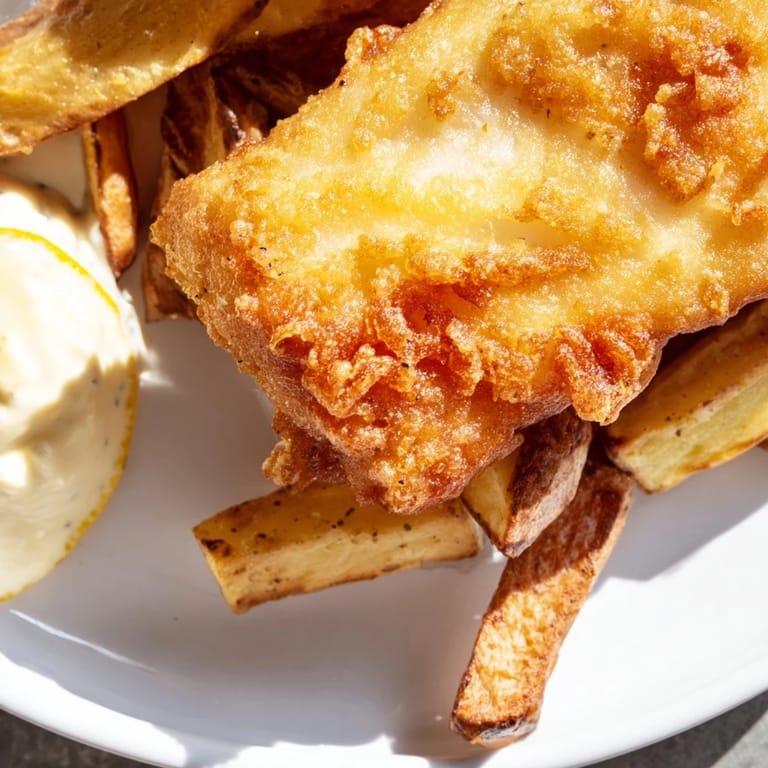
- Dip each floured fillet into the batter, let any excess drip back into the bowl, then carefully lower it into the 190°C oil. You should hear that satisfying sizzle immediately; fry for about 5 to 7 minutes, turning once, until the batter is deep golden brown and you can tap it lightly with tongs and feel it's solid and crispy.
- Drain and Serve Immediately:
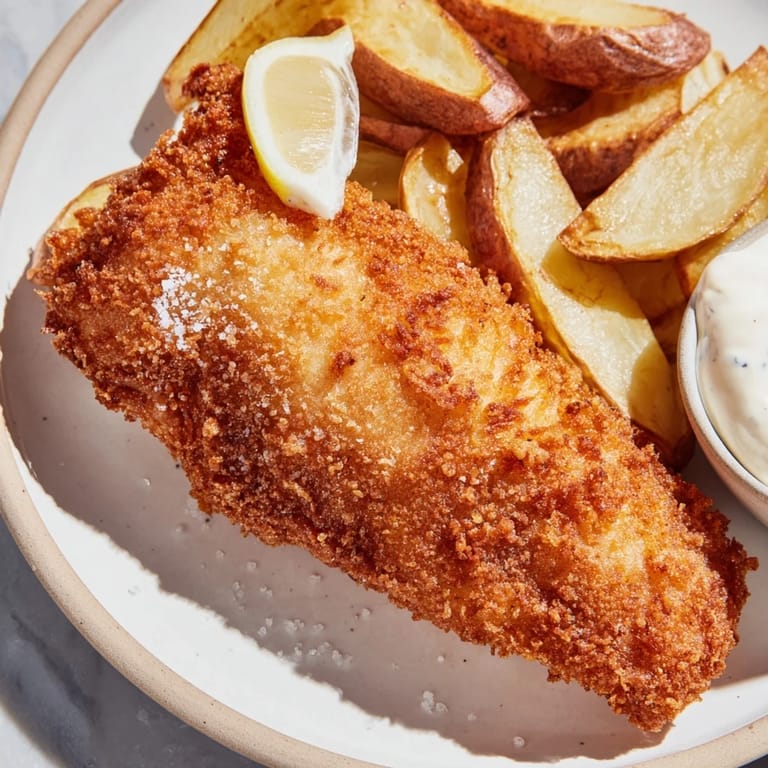
- Lift each fish fillet onto a rack or paper towels to drain—a rack is better because it lets air circulate underneath. Serve everything hot with malt vinegar or lemon wedges, and if you want tartar sauce or mushy peas, now is the time.
 Pin It
 There's a particular joy in feeding people something that feels both indulgent and comforting at the same time, something that tastes like it came from somewhere with history and care, even though you made it in your own kitchen. That's what fish and chips does—it transports people somewhere, makes them happy in a simple, uncomplicated way.
Why the Double-Fry Method Actually Works
The first fry at lower temperature cooks the potato through gently, allowing the inside to become fluffy and soft while the outside just barely begins to firm up. When you increase the temperature for the second fry, the exterior seals and crisps in minutes, creating that contrast between the shatteringly crisp outside and the creamy, almost buttery inside that makes chips worth eating. It sounds complicated, but it's really just two quick baths in oil, and the results speak for themselves every single time.
The Batter Science That Makes the Difference
That light, crispy batter doesn't happen by accident—it's built into the formula with cornstarch making up about 20 percent of your flour blend, and baking powder creating tiny bubbles that escape during frying. The sparkling water or beer matters because the carbonation creates additional bubbles, and the cold temperature of your liquid keeps the gluten in the flour from overworking, which would make everything tough. People think they need some secret technique, but really they just need to understand why each ingredient is there.
Serving, Timing, and Those Little Finishing Touches
Everything tastes best hot and eaten immediately, when the batter is still crispy and the chips are at that perfect temperature where they're still steaming inside. If you're plating for guests, do it all at the last moment—even a few minutes wrapped in foil will soften the crispiness you worked for. Malt vinegar is the traditional choice, and there's a reason for that; its sharper, more complex flavor cuts through the richness better than regular vinegar, and the acidity helps your palate reset between bites.
- Keep paper towels nearby during frying—proper draining is what separates crispy from greasy.
- If you're nervous about oil temperature, use a thermometer; guessing is how things go wrong.
- Serve on paper, the way real fish and chips shops do, for that authentic casual feeling.
 Pin It
 This dish has survived because it's honest—crispy, golden, perfectly seasoned, and made with ingredients that respect the fish instead of trying to hide it. When you get it right, you understand why people have been making it the same way for generations.
Recipe Questions & Answers
- → What type of fish is best for this dish?
Cod or haddock fillets are ideal due to their white, flaky texture and mild flavor that pairs well with a light batter.
- → Why use sparkling water or beer in the batter?
Both create a light, airy batter by incorporating bubbles, resulting in a crisp and delicate coating on the fish.
- → How does double-frying improve the chips?
First frying cooks the potatoes through gently, and the second at higher heat crisps the exterior, giving a crunchy outside and fluffy inside.
- → What oil is recommended for frying?
Vegetable or sunflower oil is preferred for its high smoke point and neutral flavor, ideal for deep frying.
- → How can I keep the fish crispy after frying?
Drain the fish on a wire rack or paper towels immediately and serve while hot to maintain crispness.
- → What are common accompaniments to this dish?
Malt vinegar, lemon wedges, tartar sauce, and mushy peas complement the flavors and textures well.